
Lawn Mower Storage and Protection Guide
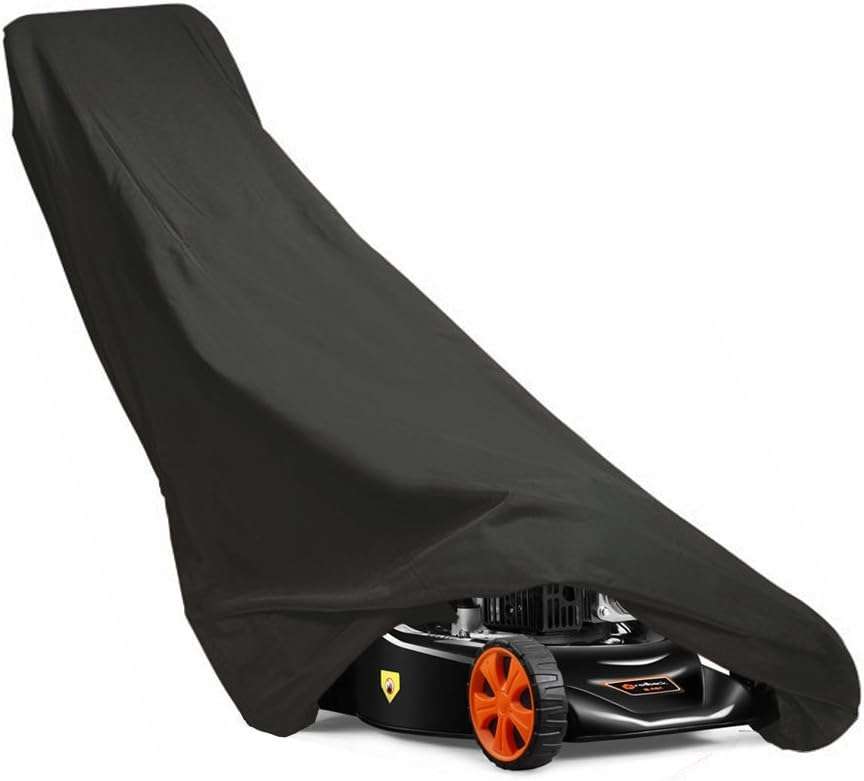
Lawn Mower Storage and Protection Guide addresses the decisions that matter to owners protecting equipment between mowing sessions once marketing labels are stripped away and the mower is judged against real use, fit and upkeep.
A storage plan should protect the mower without introducing a new risk from moisture, fuel, battery temperature or an unsupported storage position.
Indoor Storage
A dry garage or shed can protect the mower from direct weather, but airflow, floor moisture and contact with stored chemicals still matter.
Leave enough access to move the mower without dragging it across other equipment.
Outdoor Protection
Outdoor storage increases exposure to moisture, sun, dust and wind.
A fitted cover can reduce direct exposure, but it does not turn an unsuitable outdoor location into the manufacturer's recommended storage environment.
When checking lawn mower storage protection, one concrete catalog reference is 18" 21" Self Propelled Push Lawn Mower Cover 79"L x 22"W x 44.9"H with Waterproof – 420D Oxford Fabric Black. The product record can support a comparison, but an unstated feature should not be treated as present. Buy Now on Amazon.
Cover Fit
Measure the mower in the configuration in which it will actually be covered. Another useful cross-check is the new lawn mower setup guide.
A cover that is too tight can stress seams, while a loose cover can move in wind; use the cover maker's dimensions rather than “universal” wording alone.
Folding and Space Saving
A folding handle can reduce floor or wall clearance. For a closely related detail, use the folding handle lawn mower.
Do not assume a mower can be stored vertically unless the manufacturer specifically allows that orientation.
One way to test the lawn mower storage protection checklist is to read the listing for Goplus 14-Inch 12 Amp Lawn Mower w/Grass Bag Folding Handle Electric Push Lawn Corded Mower (Red). The product record can support a comparison, but an unstated feature should not be treated as present.
Long-Term Storage
Off-season storage changes by power type. Gas, battery, corded and reel mowers have different preparation needs, and battery packs may need separate temperature-controlled storage. A related practical check is covered in the mower battery storage.
Use the owner's manual for model-specific fuel and battery instructions. A related practical check is covered in the cordless mower battery systems.
Storage planning begins with the environment. A dry indoor space, a humid shed and exposed outdoor storage create different risks, so the same cover or folding feature will not solve every situation. Airflow, moisture and temperature deserve equal attention. For the next detailed comparison, see the lawn mower winter storage. For the next detailed comparison, see the lawn mower sizing. For the next detailed comparison, see the seasonal lawn mower care guide.
Battery packs may need a different storage location from the mower itself. Likewise, a gas mower may have fuel-system instructions that affect storage orientation. Keep those requirements separate rather than forcing the whole machine into one convenient corner. For the next detailed comparison, see the lawn mower maintenance guide.