
PRODUCT TAG COLLECTION
Automatic Lawnmower
Browse Automatic Lawnmower products and compare options in the same easy-to-shop layout used across our mower collections.
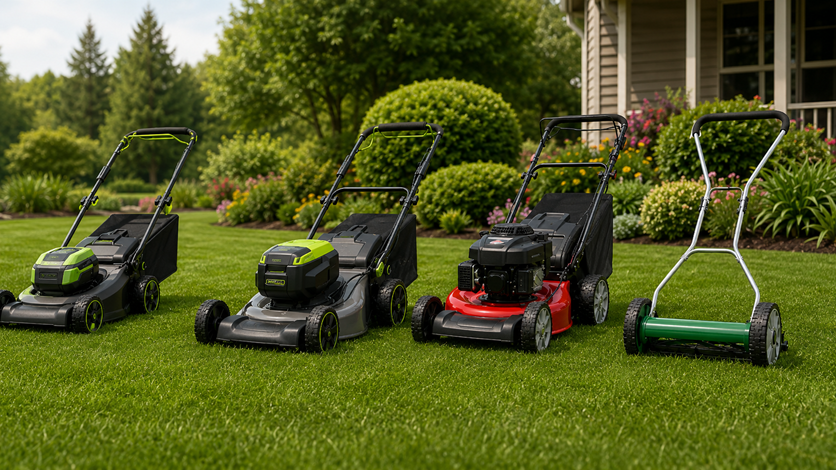


The Future of Lawn Care: How Automatic Lawnmowers Are Revolutionizing Yard Maintenance
Imagine a world where lawn mowing is as effortless as pressing a button. No more sweating in the scorching sun, pushing a heavy lawnmower back and forth or worrying about accidentally running over a flower bed. This may sound like a dream, but it could soon become a reality with the rise of automatic lawnmowers. These innovative machines are revolutionizing how we think about yard maintenance and changing the lawn care landscape forever. In this blog post, we will explore how automatic lawnmowers work, their benefits, and what this means for the future of lawn care. No more sweating under the sun, wrestling with gas cans, or struggling to start an engine that won’t cooperate. Enter the automatic lawnmower—your new best friend in yard maintenance. These robotic marvels are not just a trend; they transform how we care for our lawns.
The benefits of using an automatic lawnmower
Using an automatic lawnmower has many advantages. First and foremost, it saves time. These devices operate independently, so you can spend your weekends enjoying family outings or catching up on hobbies instead of sweating it out in the yard.
Another significant benefit is precision cutting. Automatic lawnmowers are equipped with advanced sensors that navigate your lawn seamlessly. They adapt to various terrains and even return to their charging stations when needed.
Moreover, these mowers promote healthier grass growth. Mowing frequently at optimal heights encourages thicker turf while reducing clippings left behind.
Environmentally conscious homeowners will appreciate that many models run on rechargeable batteries, leading to zero emissions during use. This feature helps reduce your carbon footprint and lowers noise pollution—no more disturbing the peace with loud engines!
Comparison between traditional lawnmowers and automatic lawnmowers
Traditional lawnmowers require manual operation. Depending on the model, this means pushing or riding them. Users must navigate around obstacles while controlling speed and direction.
On the other hand, automatic lawnmowers work independently. They use sensors to detect boundaries and avoid obstacles seamlessly. You can set a schedule, and they’ll take care of your yard without any input.
Maintenance differs significantly, too. Traditional mowers often need regular oil changes and spark plug replacements, while automatic models usually require basic upkeep, like cleaning blades or checking battery life.
Noise levels are another point of comparison. Gas-powered traditional mowers can be loud and disruptive in quiet neighborhoods. Automatic versions operate quietly, allowing for early morning mowing without disturbing neighbors.
Automatic lawnmowers offer advanced technology features, such as mobile app controls and weather detection systems, that are not available with traditional machines.
The future potential of automatic lawnmowers in the lawn care industry
As technology continues to advance, the future of lawn care looks promising. Automatic lawnmowers are not just a passing trend; they represent a significant shift in how we maintain our yards. Their integration with smart home systems and enhanced AI capabilities means these mowers will become even more efficient.
Imagine a world where your automatic lawnmower can precisely map your yard, adjusting its cutting patterns based on weather conditions or grass growth rates. With ongoing innovations, we could see models equipped with solar panels for sustainability or advanced sensors to detect obstacles and navigate around them seamlessly.
Moreover, as awareness increases about environmental sustainability, consumers are likely to favor solutions that minimize carbon footprints. Automatic lawnmowers already offer lower emissions compared to traditional gas-powered options, and using electric or battery-operated versions is an environmentally friendly choice.
Furthermore, the automatic lawnmower market will likely expand significantly in both residential and commercial applications. Businesses may adopt these devices to maintain larger green spaces efficiently without needing extensive manpower.
With continuous improvements in battery life and cutting technologies combined with affordability trends making them accessible to more homeowners, automatic lawnmowers stand poised at the forefront of landscaping innovation. As society embraces more imaginative living solutions, it’s clear that automatic lawnmowers will play an integral role in shaping the future of yard maintenance.
The Future of Lawn Care: How Automatic Lawnmowers Are Revolutionizing Yard Maintenance
Imagine a world where lawn mowing is as effortless as pressing a button. No more sweating in the scorching sun, pushing a heavy lawnmower back and forth or worrying about accidentally running over a flower bed. This may sound like a dream, but it could soon become a reality with the rise of automatic lawnmowers. These innovative machines are revolutionizing how we think about yard maintenance and changing the lawn care landscape forever. In this blog post, we will explore how automatic lawnmowers work, their benefits, and what this means for the future of lawn care. No more sweating under the sun, wrestling with gas cans, or struggling to start an engine that won’t cooperate. Enter the automatic lawnmower—your new best friend in yard maintenance. These robotic marvels are not just a trend; they transform how we care for our lawns.
The benefits of using an automatic lawnmower
Using an automatic lawnmower has many advantages. First and foremost, it saves time. These devices operate independently, so you can spend your weekends enjoying family outings or catching up on hobbies instead of sweating it out in the yard.
Another significant benefit is precision cutting. Automatic lawnmowers are equipped with advanced sensors that navigate your lawn seamlessly. They adapt to various terrains and even return to their charging stations when needed.
Moreover, these mowers promote healthier grass growth. Mowing frequently at optimal heights encourages thicker turf while reducing clippings left behind.
Environmentally conscious homeowners will appreciate that many models run on rechargeable batteries, leading to zero emissions during use. This feature helps reduce your carbon footprint and lowers noise pollution—no more disturbing the peace with loud engines!
Comparison between traditional lawnmowers and automatic lawnmowers
Traditional lawnmowers require manual operation. Depending on the model, this means pushing or riding them. Users must navigate around obstacles while controlling speed and direction.
On the other hand, automatic lawnmowers work independently. They use sensors to detect boundaries and avoid obstacles seamlessly. You can set a schedule, and they’ll take care of your yard without any input.
Maintenance differs significantly, too. Traditional mowers often need regular oil changes and spark plug replacements, while automatic models usually require basic upkeep, like cleaning blades or checking battery life.
Noise levels are another point of comparison. Gas-powered traditional mowers can be loud and disruptive in quiet neighborhoods. Automatic versions operate quietly, allowing for early morning mowing without disturbing neighbors.
Automatic lawnmowers offer advanced technology features, such as mobile app controls and weather detection systems, that are not available with traditional machines.
The future potential of automatic lawnmowers in the lawn care industry
As technology continues to advance, the future of lawn care looks promising. Automatic lawnmowers are not just a passing trend; they represent a significant shift in how we maintain our yards. Their integration with smart home systems and enhanced AI capabilities means these mowers will become even more efficient.
Imagine a world where your automatic lawnmower can precisely map your yard, adjusting its cutting patterns based on weather conditions or grass growth rates. With ongoing innovations, we could see models equipped with solar panels for sustainability or advanced sensors to detect obstacles and navigate around them seamlessly.
Moreover, as awareness increases about environmental sustainability, consumers are likely to favor solutions that minimize carbon footprints. Automatic lawnmowers already offer lower emissions compared to traditional gas-powered options, and using electric or battery-operated versions is an environmentally friendly choice.
Furthermore, the automatic lawnmower market will likely expand significantly in both residential and commercial applications. Businesses may adopt these devices to maintain larger green spaces efficiently without needing extensive manpower.
With continuous improvements in battery life and cutting technologies combined with affordability trends making them accessible to more homeowners, automatic lawnmowers stand poised at the forefront of landscaping innovation. As society embraces more imaginative living solutions, it’s clear that automatic lawnmowers will play an integral role in shaping the future of yard maintenance.
Detail Description
The Future of Lawn Care: How Automatic Lawnmowers Are Revolutionizing Yard Maintenance
Imagine a world where lawn mowing is as effortless as pressing a button. No more sweating in the scorching sun, pushing a heavy lawnmower back and forth or worrying about accidentally running over a flower bed. This may sound like a dream, but it could soon become a reality with the rise of automatic lawnmowers. These innovative machines are revolutionizing how we think about yard maintenance and changing the lawn care landscape forever. In this blog post, we will explore how automatic lawnmowers work, their benefits, and what this means for the future of lawn care. No more sweating under the sun, wrestling with gas cans, or struggling to start an engine that won’t cooperate. Enter the automatic lawnmower—your new best friend in yard maintenance. These robotic marvels are not just a trend; they transform how we care for our lawns.
The benefits of using an automatic lawnmower
Using an automatic lawnmower has many advantages. First and foremost, it saves time. These devices operate independently, so you can spend your weekends enjoying family outings or catching up on hobbies instead of sweating it out in the yard.
Another significant benefit is precision cutting. Automatic lawnmowers are equipped with advanced sensors that navigate your lawn seamlessly. They adapt to various terrains and even return to their charging stations when needed.
Moreover, these mowers promote healthier grass growth. Mowing frequently at optimal heights encourages thicker turf while reducing clippings left behind.
Environmentally conscious homeowners will appreciate that many models run on rechargeable batteries, leading to zero emissions during use. This feature helps reduce your carbon footprint and lowers noise pollution—no more disturbing the peace with loud engines!
Comparison between traditional lawnmowers and automatic lawnmowers
Traditional lawnmowers require manual operation. Depending on the model, this means pushing or riding them. Users must navigate around obstacles while controlling speed and direction.
On the other hand, automatic lawnmowers work independently. They use sensors to detect boundaries and avoid obstacles seamlessly. You can set a schedule, and they’ll take care of your yard without any input.
Maintenance differs significantly, too. Traditional mowers often need regular oil changes and spark plug replacements, while automatic models usually require basic upkeep, like cleaning blades or checking battery life.
Noise levels are another point of comparison. Gas-powered traditional mowers can be loud and disruptive in quiet neighborhoods. Automatic versions operate quietly, allowing for early morning mowing without disturbing neighbors.
Automatic lawnmowers offer advanced technology features, such as mobile app controls and weather detection systems, that are not available with traditional machines.
The future potential of automatic lawnmowers in the lawn care industry
As technology continues to advance, the future of lawn care looks promising. Automatic lawnmowers are not just a passing trend; they represent a significant shift in how we maintain our yards. Their integration with smart home systems and enhanced AI capabilities means these mowers will become even more efficient.
Imagine a world where your automatic lawnmower can precisely map your yard, adjusting its cutting patterns based on weather conditions or grass growth rates. With ongoing innovations, we could see models equipped with solar panels for sustainability or advanced sensors to detect obstacles and navigate around them seamlessly.
Moreover, as awareness increases about environmental sustainability, consumers are likely to favor solutions that minimize carbon footprints. Automatic lawnmowers already offer lower emissions compared to traditional gas-powered options, and using electric or battery-operated versions is an environmentally friendly choice.
Furthermore, the automatic lawnmower market will likely expand significantly in both residential and commercial applications. Businesses may adopt these devices to maintain larger green spaces efficiently without needing extensive manpower.
With continuous improvements in battery life and cutting technologies combined with affordability trends making them accessible to more homeowners, automatic lawnmowers stand poised at the forefront of landscaping innovation. As society embraces more imaginative living solutions, it’s clear that automatic lawnmowers will play an integral role in shaping the future of yard maintenance.