
Automatic Mower
Compare products in this collection, review the available options, and open individual listings for complete product details.
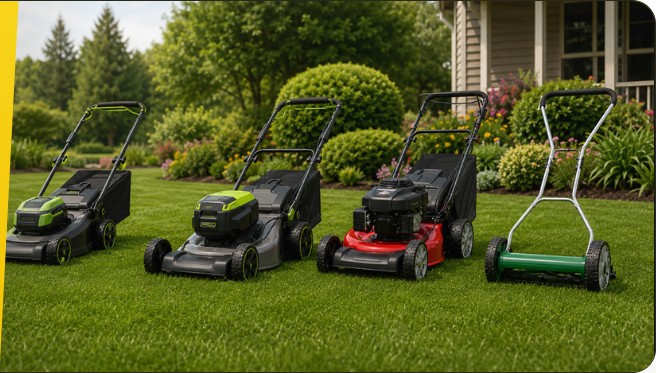


The Future of Gardening: How Automatic Mowers are Transforming Outdoor Maintenance
Imagine entering your garden, greeted by perfectly trimmed grass and beautifully manicured flower beds—all without lifting a finger. This dream is now a reality with Automatic Mower thanks to the latest technological advancements. Gone are the days of spending hours pushing a heavy lawnmower or hiring expensive lawn care services. These innovative machines are changing the game for outdoor maintenance, making it easier and more convenient than ever to have a stunning garden all year round. In this article, we'll explore the exciting world of automatic mowers and how they are transforming the future of gardening. Sounds like a dream, right?
Welcome to the age of Automatic Mower, where outdoor maintenance is revolutionized with technology that takes the hard work out of gardening. These innovative machines are not just changing how we care for our lawns but reshaping our relationship with nature. Let's dive into how automatic mowers transform outdoor maintenance and what this means for the future of gardening! For related mower collections, browse Push Lawn Mowers.
Advantages of Using Automatic Mowers for Gardening
Automatic mowers bring a new level of convenience to gardening. Imagine setting your mower on a schedule that fits your lifestyle. You can enjoy more free time while your lawn gets the care it deserves.
These machines are also incredibly efficient. They easily navigate obstacles and tackle different terrains, ensuring an even cut every time. This not only enhances the appearance of your garden but also promotes healthier grass growth.
Another advantage is their eco-friendliness. Many automatic mowers operate on battery power, reducing emissions compared to traditional gas-powered models. They also create less noise, allowing you to maintain tranquility in your neighborhood.
Additionally, advanced features like GPS mapping help optimize mowing routes, saving energy and extending battery life. With minimal oversight required, these smart devices truly change the game for effortlessly maintaining outdoor spaces. You can also explore Lawn Mower Parts & Accessories for another closely related category.
Impact on Traditional Gardening Methods and Job Opportunities
The rise of automatic mowers is reshaping the landscape of traditional gardening. As these machines take over routine tasks like mowing, gardeners are finding themselves with more time to focus on creativity and design.
This shift may redefine roles in outdoor maintenance. Traditional lawn care jobs might evolve into positions that require technical skills for programming and maintaining robotic equipment. Gardeners could become specialists in landscaping aesthetics or sustainable practices.
However, some worry about job displacement. While specific tasks may vanish, new opportunities will emerge as technology advances. The demand for skilled individuals who can integrate automation with hands-on gardening will likely increase. A related product worth comparing is SENIX Electric Lawn Mower, 17-Inch, 58V.
As automatic mowers gain popularity, individuals will need to adapt their skill sets to thrive in this changing environment. Embracing innovation while preserving artistic elements could be critical to a harmonious future for nature enthusiasts and tech-savvy professionals.
Potential Challenges and Solutions for Widespread Adoption
As with any emerging technology, the widespread adoption of automatic mowers comes with challenges. One significant concern is the initial cost. While prices are decreasing as technology advances, many homeowners may still find it a stretch to invest in an automatic mower compared to traditional equipment.
Moreover, there's the issue of maintenance and repairs. Automatic mowers require regular upkeep to function efficiently. Users need access to reliable service options for repairs or replacement parts when problems arise.
Another obstacle is public perception. Many gardeners hold a sentimental attachment to traditional gardening methods and view them as more fulfilling than machines. Education plays a vital role here; showcasing how these tools can enhance rather than replace personal gardening experiences could positively shift attitudes. Another relevant product to review is Greenworks 40V 21″.
Installation and setup can be challenging for some users. Automatic mowers often require boundaries set up via wires or virtual walls that might intimidate less tech-savvy individuals.
Addressing these challenges means companies must focus on user-friendly designs that simplify installation processes and offer robust customer support systems. This will make it easier for potential users to transition smoothly into this robotic age of gardening.
By fostering understanding through education and ensuring accessibility through affordable pricing strategies, the future appears bright for automatic mowers, which can transform outdoor maintenance while still honoring the artful traditions of gardening. For an external buying reference, view Automatic Mower on Amazon and confirm the current listing details before purchase.
Frequently Asked Questions
What should I check when comparing Automatic Mower?
Compare the products shown above, then open the individual listings to confirm exact specifications, compatibility details, dimensions, materials, and included components.
How do I choose between products in this collection?
Start with the lawn-care task you need to complete, then compare the product type, size, fit, materials, and other details supplied on each individual product page.
Where can I confirm complete product information?
Open the individual product page from the grid above and review the complete listing information before choosing a product.
The Future of Gardening: How Automatic Mowers are Transforming Outdoor Maintenance
Imagine entering your garden, greeted by perfectly trimmed grass and beautifully manicured flower beds—all without lifting a finger. This dream is now a reality with Automatic Mower thanks to the latest technological advancements. Gone are the days of spending hours pushing a heavy lawnmower or hiring expensive lawn care services. These innovative machines are changing the game for outdoor maintenance, making it easier and more convenient than ever to have a stunning garden all year round. In this article, we’ll explore the exciting world of automatic mowers and how they are transforming the future of gardening. Sounds like a dream, right?
Welcome to the age of Automatic Mower, where outdoor maintenance is revolutionized with technology that takes the hard work out of gardening. These innovative machines are not just changing how we care for our lawns but reshaping our relationship with nature. Let’s dive into how automatic mowers transform outdoor maintenance and what this means for the future of gardening!
Advantages of Using Automatic Mowers for Gardening
Automatic mowers bring a new level of convenience to gardening. Imagine setting your mower on a schedule that fits your lifestyle. You can enjoy more free time while your lawn gets the care it deserves.
These machines are also incredibly efficient. They easily navigate obstacles and tackle different terrains, ensuring an even cut every time. This not only enhances the appearance of your garden but also promotes healthier grass growth.
Another advantage is their eco-friendliness. Many automatic mowers operate on battery power, reducing emissions compared to traditional gas-powered models. They also create less noise, allowing you to maintain tranquility in your neighborhood.
Additionally, advanced features like GPS mapping help optimize mowing routes, saving energy and extending battery life. With minimal oversight required, these smart devices truly change the game for effortlessly maintaining outdoor spaces.
Impact on Traditional Gardening Methods and Job Opportunities
The rise of automatic mowers is reshaping the landscape of traditional gardening. As these machines take over routine tasks like mowing, gardeners are finding themselves with more time to focus on creativity and design.
This shift may redefine roles in outdoor maintenance. Traditional lawn care jobs might evolve into positions that require technical skills for programming and maintaining robotic equipment. Gardeners could become specialists in landscaping aesthetics or sustainable practices.
However, some worry about job displacement. While specific tasks may vanish, new opportunities will emerge as technology advances. The demand for skilled individuals who can integrate automation with hands-on gardening will likely increase.
As automatic mowers gain popularity, individuals will need to adapt their skill sets to thrive in this changing environment. Embracing innovation while preserving artistic elements could be critical to a harmonious future for nature enthusiasts and tech-savvy professionals.
Potential Challenges and Solutions for Widespread Adoption
As with any emerging technology, the widespread adoption of automatic mowers comes with challenges. One significant concern is the initial cost. While prices are decreasing as technology advances, many homeowners may still find it a stretch to invest in an automatic mower compared to traditional equipment.
Moreover, there’s the issue of maintenance and repairs. Automatic mowers require regular upkeep to function efficiently. Users need access to reliable service options for repairs or replacement parts when problems arise.
Another obstacle is public perception. Many gardeners hold a sentimental attachment to traditional gardening methods and view them as more fulfilling than machines. Education plays a vital role here; showcasing how these tools can enhance rather than replace personal gardening experiences could positively shift attitudes.
Installation and setup can be challenging for some users. Automatic mowers often require boundaries set up via wires or virtual walls that might intimidate less tech-savvy individuals.
Addressing these challenges means companies must focus on user-friendly designs that simplify installation processes and offer robust customer support systems. This will make it easier for potential users to transition smoothly into this robotic age of gardening.
By fostering understanding through education and ensuring accessibility through affordable pricing strategies, the future appears bright for automatic mowers, which can transform outdoor maintenance while still honoring the artful traditions of gardening.
Detail Description
The Future of Gardening: How Automatic Mowers are Transforming Outdoor Maintenance
Imagine entering your garden, greeted by perfectly trimmed grass and beautifully manicured flower beds—all without lifting a finger. This dream is now a reality with Automatic Mower thanks to the latest technological advancements. Gone are the days of spending hours pushing a heavy lawnmower or hiring expensive lawn care services. These innovative machines are changing the game for outdoor maintenance, making it easier and more convenient than ever to have a stunning garden all year round. In this article, we’ll explore the exciting world of automatic mowers and how they are transforming the future of gardening. Sounds like a dream, right?
Welcome to the age of Automatic Mower, where outdoor maintenance is revolutionized with technology that takes the hard work out of gardening. These innovative machines are not just changing how we care for our lawns but reshaping our relationship with nature. Let’s dive into how automatic mowers transform outdoor maintenance and what this means for the future of gardening!
Advantages of Using Automatic Mowers for Gardening
Automatic mowers bring a new level of convenience to gardening. Imagine setting your mower on a schedule that fits your lifestyle. You can enjoy more free time while your lawn gets the care it deserves.
These machines are also incredibly efficient. They easily navigate obstacles and tackle different terrains, ensuring an even cut every time. This not only enhances the appearance of your garden but also promotes healthier grass growth.
Another advantage is their eco-friendliness. Many automatic mowers operate on battery power, reducing emissions compared to traditional gas-powered models. They also create less noise, allowing you to maintain tranquility in your neighborhood.
Additionally, advanced features like GPS mapping help optimize mowing routes, saving energy and extending battery life. With minimal oversight required, these smart devices truly change the game for effortlessly maintaining outdoor spaces.
Impact on Traditional Gardening Methods and Job Opportunities
The rise of automatic mowers is reshaping the landscape of traditional gardening. As these machines take over routine tasks like mowing, gardeners are finding themselves with more time to focus on creativity and design.
This shift may redefine roles in outdoor maintenance. Traditional lawn care jobs might evolve into positions that require technical skills for programming and maintaining robotic equipment. Gardeners could become specialists in landscaping aesthetics or sustainable practices.
However, some worry about job displacement. While specific tasks may vanish, new opportunities will emerge as technology advances. The demand for skilled individuals who can integrate automation with hands-on gardening will likely increase.
As automatic mowers gain popularity, individuals will need to adapt their skill sets to thrive in this changing environment. Embracing innovation while preserving artistic elements could be critical to a harmonious future for nature enthusiasts and tech-savvy professionals.
Potential Challenges and Solutions for Widespread Adoption
As with any emerging technology, the widespread adoption of automatic mowers comes with challenges. One significant concern is the initial cost. While prices are decreasing as technology advances, many homeowners may still find it a stretch to invest in an automatic mower compared to traditional equipment.
Moreover, there’s the issue of maintenance and repairs. Automatic mowers require regular upkeep to function efficiently. Users need access to reliable service options for repairs or replacement parts when problems arise.
Another obstacle is public perception. Many gardeners hold a sentimental attachment to traditional gardening methods and view them as more fulfilling than machines. Education plays a vital role here; showcasing how these tools can enhance rather than replace personal gardening experiences could positively shift attitudes.
Installation and setup can be challenging for some users. Automatic mowers often require boundaries set up via wires or virtual walls that might intimidate less tech-savvy individuals.
Addressing these challenges means companies must focus on user-friendly designs that simplify installation processes and offer robust customer support systems. This will make it easier for potential users to transition smoothly into this robotic age of gardening.
By fostering understanding through education and ensuring accessibility through affordable pricing strategies, the future appears bright for automatic mowers, which can transform outdoor maintenance while still honoring the artful traditions of gardening.