
13-Amp Electric Dethatcher And Scarifier
Compare products in this collection, review the available options, and open individual listings for complete product details.
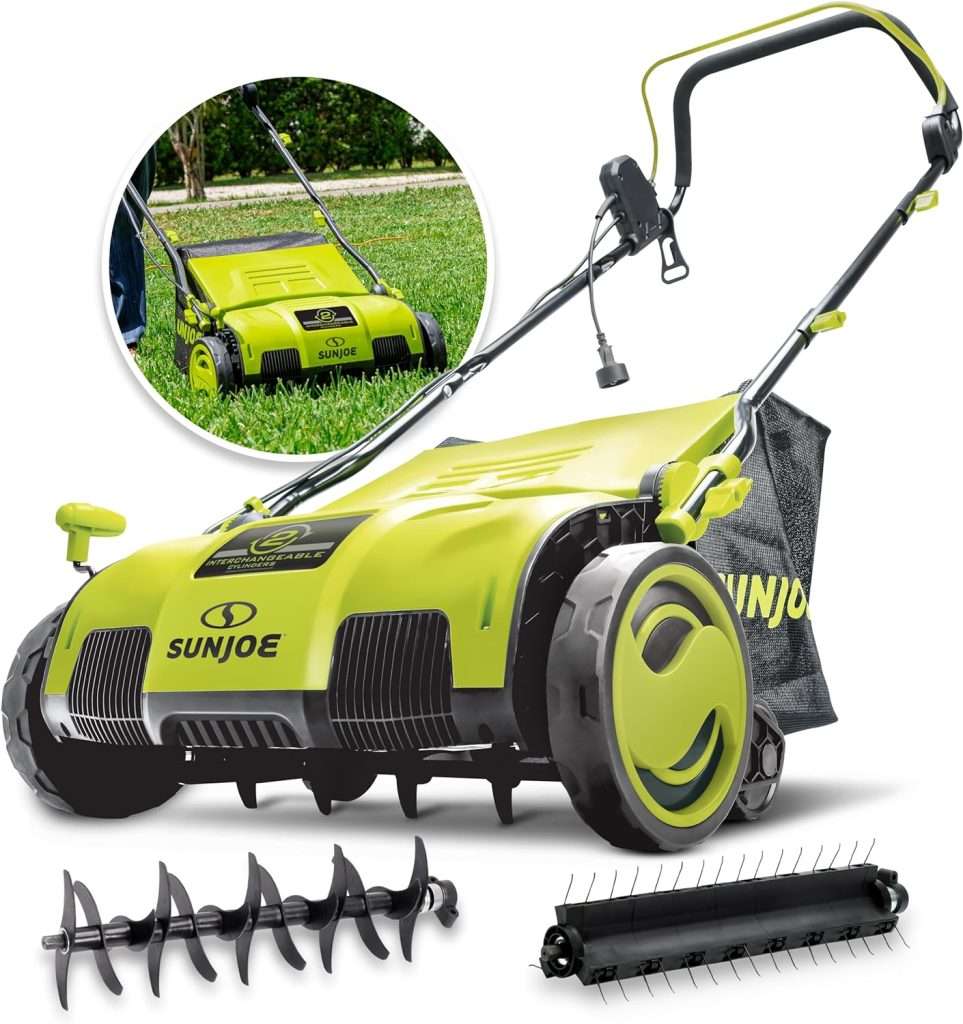
Transform Your Lawn: The Benefits of Using a 13-Amp Electric Dethatcher and Scarifier.
A lush, green lawn is the pride of any homeowner. Not only does it add to the aesthetic appeal of your property, but it also provides a space for outdoor activities and relaxation. However, maintaining a healthy lawn requires more than regular mowing and watering. Over time, thatch—a layer of dead grass, roots, and debris—can build up on the surface of your lawn, preventing proper air, water, and nutrients from reaching the soil. It's not just a patch of grass; it's an extension of your living space and a place where memories are made. But what happens when that vibrant carpet turns dull, uneven, or lifeless? Thatch buildup might be to blame. Enter the 13-Amp Electric Dethatcher And Scarifier—your new best friend in lawn care!
The Benefits of Using an Electric Dethatcher and Scarifier
Using a 13-amp Electric Dethatcher and Scarifier offers numerous advantages for your lawn care routine. First, it efficiently removes thatch buildup, which can suffocate grassroots and hinder healthy growth. This powerful tool reaches deeper into the soil, promoting better aeration. For related mower collections, browse Push Lawn Mowers.
Another benefit is its versatility. A dethatcher clears away dead grass and incorporates scarifying features to break up compacted soil. This dual action fosters improved nutrient absorption.
Moreover, electric models are eco-friendly and quieter than gas-powered alternatives. You can enjoy your yard work without disturbing the neighborhood or harming the environment.
Another major perk is time efficiency. The robust design lets you tackle large areas quickly, saving precious hours during busy weekends.
Regular use of this machine leads to a healthier lawn over time, making it more resilient against pests and diseases while enhancing overall appearance. You can also explore Lawn Mower Parts & Accessories for another closely related category.
Tips for Maintaining a Healthy Lawn After Dethatching and Scarifying
Your lawn may look bare after using a 13-amp Electric Dethatcher and Scarifier. Don't worry; it's all part of the process.
Watering is crucial in this phase. Keep the soil moist, but avoid overwatering. This will help stimulate new growth and encourage grass recovery.
Fertilizing can also make a big difference. Use a quality fertilizer tailored for your grass type to provide essential nutrients that support regrowth.
Mowing should be done less frequently right after dethatching and scarifying. Allow the grass time to strengthen before you trim it back too much. A related product worth comparing is 13-Amp Electric Dethatcher And Scarifier.
Consider overseeding your lawn with high-quality seeds suited to your climate. This allows new grasses to fill in any gaps caused by dethatching, resulting in a lush green carpet.
Alternative Methods for Removing Thatch from Your Lawn
When it comes to removing thatch from your lawn, there are several alternative methods worth considering. While a 13-Amp Electric Dethatcher and Scarifier are highly effective, sometimes, based on your preferences or resources, you might prefer other approaches.
One popular method is manual dethatching using a rake. This option gives you control over how much thatch you're removing and allows for more precise handling of problem areas. However, this process can be labor-intensive and time-consuming, making it less appealing for more extensive lawns. Another relevant product to review is AMERISUN 14-Inch Electric Lawn Mower, 12.5.
Another approach involves aeration. Aerating the soil helps improve air circulation and nutrient absorption while loosening compacted ground. You can rent an aerator or use handheld tools for smaller patches of grass. Combining aeration with dethatching techniques will promote a healthier lawn ecosystem.
Natural solutions also exist if you want to go chemical-free. Beneficial organisms like earthworms help decompose organic material in the soil, which naturally breaks down thatch over time. Introducing compost into your lawn can also enhance microbial activity, boosting decomposition rates.
Cultural practices like proper watering and fertilization schedules are also essential. They contribute significantly to preventing excessive thatch buildup by promoting healthy root growth.
Each method has benefits and may suit different situations better than others depending on your lawn needs or personal inclinations toward DIY gardening versus powered equipment usage. For an external buying reference, view 13-Amp Electric Dethatcher And Scarifier on Amazon and confirm the current listing details before purchase.
Frequently Asked Questions
What should I check when comparing 13-Amp Electric Dethatcher And Scarifier?
Compare the products shown above, then open the individual listings to confirm exact specifications, compatibility details, dimensions, materials, and included components.
How do I choose between products in this collection?
Start with the lawn-care task you need to complete, then compare the product type, size, fit, materials, and other details supplied on each individual product page.
Where can I confirm complete product information?
Open the individual product page from the grid above and review the complete listing information before choosing a product.
Transform Your Lawn: The Benefits of Using a 13-Amp Electric Dethatcher and Scarifier.
A lush, green lawn is the pride of any homeowner. Not only does it add to the aesthetic appeal of your property, but it also provides a space for outdoor activities and relaxation. However, maintaining a healthy lawn requires more than regular mowing and watering. Over time, thatch—a layer of dead grass, roots, and debris—can build up on the surface of your lawn, preventing proper air, water, and nutrients from reaching the soil. It’s not just a patch of grass; it’s an extension of your living space and a place where memories are made. But what happens when that vibrant carpet turns dull, uneven, or lifeless? Thatch buildup might be to blame. Enter the 13-Amp Electric Dethatcher And Scarifier—your new best friend in lawn care!
The Benefits of Using an Electric Dethatcher and Scarifier
Using a 13-amp Electric Dethatcher and Scarifier offers numerous advantages for your lawn care routine. First, it efficiently removes thatch buildup, which can suffocate grassroots and hinder healthy growth. This powerful tool reaches deeper into the soil, promoting better aeration.
Another benefit is its versatility. A dethatcher clears away dead grass and incorporates scarifying features to break up compacted soil. This dual action fosters improved nutrient absorption.
Moreover, electric models are eco-friendly and quieter than gas-powered alternatives. You can enjoy your yard work without disturbing the neighborhood or harming the environment.
Another major perk is time efficiency. The robust design lets you tackle large areas quickly, saving precious hours during busy weekends.
Regular use of this machine leads to a healthier lawn over time, making it more resilient against pests and diseases while enhancing overall appearance.
Tips for Maintaining a Healthy Lawn After Dethatching and Scarifying
Your lawn may look bare after using a 13-amp Electric Dethatcher and Scarifier. Don’t worry; it’s all part of the process.
Watering is crucial in this phase. Keep the soil moist, but avoid overwatering. This will help stimulate new growth and encourage grass recovery.
Fertilizing can also make a big difference. Use a quality fertilizer tailored for your grass type to provide essential nutrients that support regrowth.
Mowing should be done less frequently right after dethatching and scarifying. Allow the grass time to strengthen before you trim it back too much.
Consider overseeding your lawn with high-quality seeds suited to your climate. This allows new grasses to fill in any gaps caused by dethatching, resulting in a lush green carpet.
Alternative Methods for Removing Thatch from Your Lawn
When it comes to removing thatch from your lawn, there are several alternative methods worth considering. While a 13-Amp Electric Dethatcher and Scarifier are highly effective, sometimes, based on your preferences or resources, you might prefer other approaches.
One popular method is manual dethatching using a rake. This option gives you control over how much thatch you’re removing and allows for more precise handling of problem areas. However, this process can be labor-intensive and time-consuming, making it less appealing for more extensive lawns.
Another approach involves aeration. Aerating the soil helps improve air circulation and nutrient absorption while loosening compacted ground. You can rent an aerator or use handheld tools for smaller patches of grass. Combining aeration with dethatching techniques will promote a healthier lawn ecosystem.
Natural solutions also exist if you want to go chemical-free. Beneficial organisms like earthworms help decompose organic material in the soil, which naturally breaks down thatch over time. Introducing compost into your lawn can also enhance microbial activity, boosting decomposition rates.
Cultural practices like proper watering and fertilization schedules are also essential. They contribute significantly to preventing excessive thatch buildup by promoting healthy root growth.
Each method has benefits and may suit different situations better than others depending on your lawn needs or personal inclinations toward DIY gardening versus powered equipment usage.
Detail Description
Transform Your Lawn: The Benefits of Using a 13-Amp Electric Dethatcher and Scarifier.
A lush, green lawn is the pride of any homeowner. Not only does it add to the aesthetic appeal of your property, but it also provides a space for outdoor activities and relaxation. However, maintaining a healthy lawn requires more than regular mowing and watering. Over time, thatch—a layer of dead grass, roots, and debris—can build up on the surface of your lawn, preventing proper air, water, and nutrients from reaching the soil. It’s not just a patch of grass; it’s an extension of your living space and a place where memories are made. But what happens when that vibrant carpet turns dull, uneven, or lifeless? Thatch buildup might be to blame. Enter the 13-Amp Electric Dethatcher And Scarifier—your new best friend in lawn care!
The Benefits of Using an Electric Dethatcher and Scarifier
Using a 13-amp Electric Dethatcher and Scarifier offers numerous advantages for your lawn care routine. First, it efficiently removes thatch buildup, which can suffocate grassroots and hinder healthy growth. This powerful tool reaches deeper into the soil, promoting better aeration.
Another benefit is its versatility. A dethatcher clears away dead grass and incorporates scarifying features to break up compacted soil. This dual action fosters improved nutrient absorption.
Moreover, electric models are eco-friendly and quieter than gas-powered alternatives. You can enjoy your yard work without disturbing the neighborhood or harming the environment.
Another major perk is time efficiency. The robust design lets you tackle large areas quickly, saving precious hours during busy weekends.
Regular use of this machine leads to a healthier lawn over time, making it more resilient against pests and diseases while enhancing overall appearance.
Tips for Maintaining a Healthy Lawn After Dethatching and Scarifying
Your lawn may look bare after using a 13-amp Electric Dethatcher and Scarifier. Don’t worry; it’s all part of the process.
Watering is crucial in this phase. Keep the soil moist, but avoid overwatering. This will help stimulate new growth and encourage grass recovery.
Fertilizing can also make a big difference. Use a quality fertilizer tailored for your grass type to provide essential nutrients that support regrowth.
Mowing should be done less frequently right after dethatching and scarifying. Allow the grass time to strengthen before you trim it back too much.
Consider overseeding your lawn with high-quality seeds suited to your climate. This allows new grasses to fill in any gaps caused by dethatching, resulting in a lush green carpet.
Alternative Methods for Removing Thatch from Your Lawn
When it comes to removing thatch from your lawn, there are several alternative methods worth considering. While a 13-Amp Electric Dethatcher and Scarifier are highly effective, sometimes, based on your preferences or resources, you might prefer other approaches.
One popular method is manual dethatching using a rake. This option gives you control over how much thatch you’re removing and allows for more precise handling of problem areas. However, this process can be labor-intensive and time-consuming, making it less appealing for more extensive lawns.
Another approach involves aeration. Aerating the soil helps improve air circulation and nutrient absorption while loosening compacted ground. You can rent an aerator or use handheld tools for smaller patches of grass. Combining aeration with dethatching techniques will promote a healthier lawn ecosystem.
Natural solutions also exist if you want to go chemical-free. Beneficial organisms like earthworms help decompose organic material in the soil, which naturally breaks down thatch over time. Introducing compost into your lawn can also enhance microbial activity, boosting decomposition rates.
Cultural practices like proper watering and fertilization schedules are also essential. They contribute significantly to preventing excessive thatch buildup by promoting healthy root growth.
Each method has benefits and may suit different situations better than others depending on your lawn needs or personal inclinations toward DIY gardening versus powered equipment usage.