
PRODUCT TAG COLLECTION
Grass Mower
Browse Grass Mower products and compare options in the same easy-to-shop layout used across our mower collections.
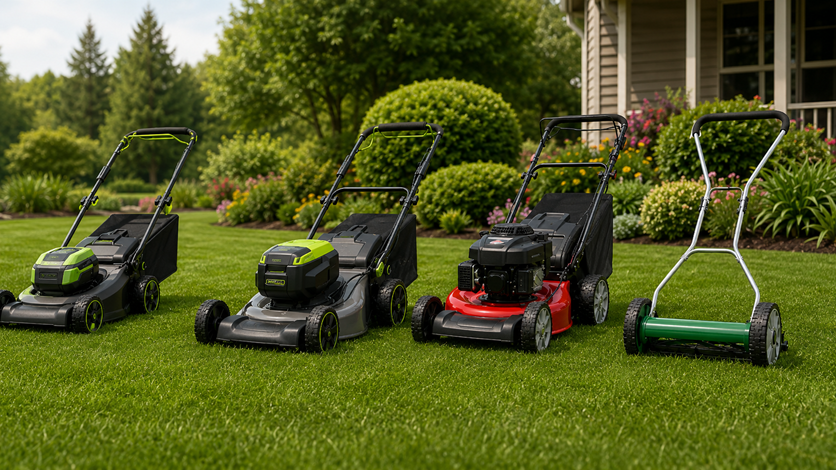


The Ultimate Guide to Choosing the Perfect Grass Mower for Your Lawn
The right grass mower can make all the difference when it comes to keeping your lawn pristine. Lush green blades sway gently in the breeze, a perfectly manicured yard that’s the envy of the neighborhood—but how do you choose one from an overwhelming array of options? Whether you’re a weekend warrior or a gardening guru, selecting the perfect grass mower is crucial for achieving that dream lawn.
From traditional push mowers to modern riding models, each type offers unique benefits tailored to different needs and preferences. Understanding key factors such as size, terrain, and power source will help guide your decision-making process. And don’t forget about maintenance—keeping your mower in top shape ensures it serves you well for years.
Ready to dive into everything you need to know about finding and caring for your ideal grass mower? Let’s get started!
Understanding the Types of Grass Mowers
Grassmowers come in various styles, each designed for specific lawn care needs. Push mowers are a classic choice for smaller yards. They’re eco-friendly and provide a good workout while you mow.
For larger spaces, self-propelled mowers take the strain off your shoulders. These machines move forward with minimal effort from you, making them ideal for uneven terrain or expansive lawns.
Riding mowers offer comfort and efficiency over vast areas. You can sit back and effortlessly navigate your yard, perfect for those who prefer a relaxed mowing experience.
Battery-powered models have gained popularity due to their quiet operation and zero emissions. They’re great for environmentally conscious homeowners looking to avoid gas fumes.
Robotic mowers are changing the game entirely. Set it up once, and let it roam freely—mowing while you relax indoors! Each type has its perks; understanding these will help narrow your choices effectively.
Factors to Consider When Choosing a Grass Mower
Choosing the right grass mower involves several important factors. First, consider the size of your lawn. Larger areas may require a riding mower, while smaller yards can benefit from push mowers.
Next, consider your mowing frequency. If you prefer to mow less often, a more powerful mower might be necessary to handle thicker grass easily.
The power source is also crucial. Gasoline mowers generally offer more power but require maintenance and fuel storage. Electric models are quieter and eco-friendly but may have run-time limits based on battery capacity.
Evaluate your terrain. For uneven or hilly lawns, self-propelled models provide better stability and control than traditional push options. Each feature plays a vital role in ensuring you find the best fit for your gardening needs.
Tips for Maintaining Your Grass Mower
Maintaining your grass mower is essential for optimal performance and longevity. Regular upkeep keeps the machine running smoothly and ensures that your lawn remains healthy and well-groomed.
Start with the blades. Sharp blades make clean cuts, which are crucial for a healthy lawn. Dull blades tear the grass instead of cutting it, leading to brown tips and an unhealthy appearance. Check them frequently and sharpen or replace them as needed.
Next, keep your mower clean. Grass clippings can accumulate under the deck, affecting efficiency and leading to rust over time. After each use, remove any debris from the underside using a brush or hose. A clean mower operates better.
Oil changes are equally important. Just like cars, mowers need fresh oil to run efficiently. Follow the manufacturer’s guidelines on how often you should change it—typically, once per season should suffice for most home users.
I don’t remember about air filters! Clogged filters reduce airflow and can cause engine issues over time. Inspect yours regularly, and if it’s dirty, replace it without delay to ensure optimal performance.
Store your grass mower properly during off-seasons or extended breaks from mowing tasks. Keep it in a dry area away from moisture to prevent corrosion, and if stored long-term, ensure that fuel is treated with a stabilizer.
By diligently following these maintenance tips, you’ll enhance your equipment’s lifespan and your lawn’s health—leading to lush greenery that will be admired by all who see it.
The Ultimate Guide to Choosing the Perfect Grass Mower for Your Lawn
The right grass mower can make all the difference when it comes to keeping your lawn pristine. Lush green blades sway gently in the breeze, a perfectly manicured yard that’s the envy of the neighborhood—but how do you choose one from an overwhelming array of options? Whether you’re a weekend warrior or a gardening guru, selecting the perfect grass mower is crucial for achieving that dream lawn.
From traditional push mowers to modern riding models, each type offers unique benefits tailored to different needs and preferences. Understanding key factors such as size, terrain, and power source will help guide your decision-making process. And don’t forget about maintenance—keeping your mower in top shape ensures it serves you well for years.
Ready to dive into everything you need to know about finding and caring for your ideal grass mower? Let’s get started!
Understanding the Types of Grass Mowers
Grassmowers come in various styles, each designed for specific lawn care needs. Push mowers are a classic choice for smaller yards. They’re eco-friendly and provide a good workout while you mow.
For larger spaces, self-propelled mowers take the strain off your shoulders. These machines move forward with minimal effort from you, making them ideal for uneven terrain or expansive lawns.
Riding mowers offer comfort and efficiency over vast areas. You can sit back and effortlessly navigate your yard, perfect for those who prefer a relaxed mowing experience.
Battery-powered models have gained popularity due to their quiet operation and zero emissions. They’re great for environmentally conscious homeowners looking to avoid gas fumes.
Robotic mowers are changing the game entirely. Set it up once, and let it roam freely—mowing while you relax indoors! Each type has its perks; understanding these will help narrow your choices effectively.
Factors to Consider When Choosing a Grass Mower
Choosing the right grass mower involves several important factors. First, consider the size of your lawn. Larger areas may require a riding mower, while smaller yards can benefit from push mowers.
Next, consider your mowing frequency. If you prefer to mow less often, a more powerful mower might be necessary to handle thicker grass easily.
The power source is also crucial. Gasoline mowers generally offer more power but require maintenance and fuel storage. Electric models are quieter and eco-friendly but may have run-time limits based on battery capacity.
Evaluate your terrain. For uneven or hilly lawns, self-propelled models provide better stability and control than traditional push options. Each feature plays a vital role in ensuring you find the best fit for your gardening needs.
Tips for Maintaining Your Grass Mower
Maintaining your grass mower is essential for optimal performance and longevity. Regular upkeep keeps the machine running smoothly and ensures that your lawn remains healthy and well-groomed.
Start with the blades. Sharp blades make clean cuts, which are crucial for a healthy lawn. Dull blades tear the grass instead of cutting it, leading to brown tips and an unhealthy appearance. Check them frequently and sharpen or replace them as needed.
Next, keep your mower clean. Grass clippings can accumulate under the deck, affecting efficiency and leading to rust over time. After each use, remove any debris from the underside using a brush or hose. A clean mower operates better.
Oil changes are equally important. Just like cars, mowers need fresh oil to run efficiently. Follow the manufacturer’s guidelines on how often you should change it—typically, once per season should suffice for most home users.
I don’t remember about air filters! Clogged filters reduce airflow and can cause engine issues over time. Inspect yours regularly, and if it’s dirty, replace it without delay to ensure optimal performance.
Store your grass mower properly during off-seasons or extended breaks from mowing tasks. Keep it in a dry area away from moisture to prevent corrosion, and if stored long-term, ensure that fuel is treated with a stabilizer.
By diligently following these maintenance tips, you’ll enhance your equipment’s lifespan and your lawn’s health—leading to lush greenery that will be admired by all who see it.
Detail Description
The Ultimate Guide to Choosing the Perfect Grass Mower for Your Lawn
The right grass mower can make all the difference when it comes to keeping your lawn pristine. Lush green blades sway gently in the breeze, a perfectly manicured yard that’s the envy of the neighborhood—but how do you choose one from an overwhelming array of options? Whether you’re a weekend warrior or a gardening guru, selecting the perfect grass mower is crucial for achieving that dream lawn.
From traditional push mowers to modern riding models, each type offers unique benefits tailored to different needs and preferences. Understanding key factors such as size, terrain, and power source will help guide your decision-making process. And don’t forget about maintenance—keeping your mower in top shape ensures it serves you well for years.
Ready to dive into everything you need to know about finding and caring for your ideal grass mower? Let’s get started!
Understanding the Types of Grass Mowers
Grassmowers come in various styles, each designed for specific lawn care needs. Push mowers are a classic choice for smaller yards. They’re eco-friendly and provide a good workout while you mow.
For larger spaces, self-propelled mowers take the strain off your shoulders. These machines move forward with minimal effort from you, making them ideal for uneven terrain or expansive lawns.
Riding mowers offer comfort and efficiency over vast areas. You can sit back and effortlessly navigate your yard, perfect for those who prefer a relaxed mowing experience.
Battery-powered models have gained popularity due to their quiet operation and zero emissions. They’re great for environmentally conscious homeowners looking to avoid gas fumes.
Robotic mowers are changing the game entirely. Set it up once, and let it roam freely—mowing while you relax indoors! Each type has its perks; understanding these will help narrow your choices effectively.
Factors to Consider When Choosing a Grass Mower
Choosing the right grass mower involves several important factors. First, consider the size of your lawn. Larger areas may require a riding mower, while smaller yards can benefit from push mowers.
Next, consider your mowing frequency. If you prefer to mow less often, a more powerful mower might be necessary to handle thicker grass easily.
The power source is also crucial. Gasoline mowers generally offer more power but require maintenance and fuel storage. Electric models are quieter and eco-friendly but may have run-time limits based on battery capacity.
Evaluate your terrain. For uneven or hilly lawns, self-propelled models provide better stability and control than traditional push options. Each feature plays a vital role in ensuring you find the best fit for your gardening needs.
Tips for Maintaining Your Grass Mower
Maintaining your grass mower is essential for optimal performance and longevity. Regular upkeep keeps the machine running smoothly and ensures that your lawn remains healthy and well-groomed.
Start with the blades. Sharp blades make clean cuts, which are crucial for a healthy lawn. Dull blades tear the grass instead of cutting it, leading to brown tips and an unhealthy appearance. Check them frequently and sharpen or replace them as needed.
Next, keep your mower clean. Grass clippings can accumulate under the deck, affecting efficiency and leading to rust over time. After each use, remove any debris from the underside using a brush or hose. A clean mower operates better.
Oil changes are equally important. Just like cars, mowers need fresh oil to run efficiently. Follow the manufacturer’s guidelines on how often you should change it—typically, once per season should suffice for most home users.
I don’t remember about air filters! Clogged filters reduce airflow and can cause engine issues over time. Inspect yours regularly, and if it’s dirty, replace it without delay to ensure optimal performance.
Store your grass mower properly during off-seasons or extended breaks from mowing tasks. Keep it in a dry area away from moisture to prevent corrosion, and if stored long-term, ensure that fuel is treated with a stabilizer.
By diligently following these maintenance tips, you’ll enhance your equipment’s lifespan and your lawn’s health—leading to lush greenery that will be admired by all who see it.