
Lawn Dethatcher
Compare products in this collection, review the available options, and open individual listings for complete product details.

Revive Your Lawn: The Ultimate Guide to Using a Dethatcher for a Lush Green Yard
Is your lawn looking more like a patchy field than a lush oasis? If so, you might be dealing with thatch buildup. Thatch is a layer of dead grass, leaves, and other organic material that accumulates on top of the soil. While some thatch is standard and can benefit your lawn, too much can prevent water Lawn Dethatcher, air, and nutrients from reaching the roots of your grass. This can result in a lackluster lawn that is more susceptible to disease and pests. But don't worry, there's an easy solution – using a dethatcher! In this ultimate guide, we'll walk you through everything you need about dethatching your lawn for a healthy and vibrant yard.
This layer of dead grass and organic matter can choke the life out of your yard, making it challenging for water, nutrients, and sunlight to penetrate. But don't worry—reviving your lawn is easier than you think! With the right tools and techniques, including a trusty lawn dethatcher, your yard will look green and vibrant in no time. Let's explore how to identify when it's time for dethatching, maintain that newfound health after treatment, and discover all the benefits this essential step offers for an enviable landscape. Your dream lawn awaits! For related mower collections, browse Push Lawn Mowers.
Signs that Your Lawn Needs Dethatching
Are you unsure if your lawn needs a dethatcher? Look for key signs that indicate it's time to take action.
First, check the thickness of the thatch layer. If you can easily pull back grass and see more than half an inch of dark organic matter, it's time for dethatching.
Another sign is poor water absorption. If puddles form after watering or rainfall instead of soaking into the soil, excessive thatch may be blocking moisture from reaching the grassroots.
Additionally, watch for sparse growth in certain areas. Grass struggling to thrive could mean suffocating under a thick mat of debris. You can also explore Lawn Mower Accessories for another closely related category.
If your lawn feels spongy when walked on, that's another red flag. This sensation indicates too much buildup, restricting air circulation and nutrient flow—critical ingredients for a healthy lawn.
Tips for Maintaining a Healthy Lawn After Dethatching
After dethatching, your lawn needs special attention to thrive. Start by watering the grass adequately. This helps the roots recover from any stress caused during dethatching.
Next, consider fertilizing your lawn. A balanced fertilizer will provide essential nutrients for regrowth and strengthen your grass against pests and diseases.
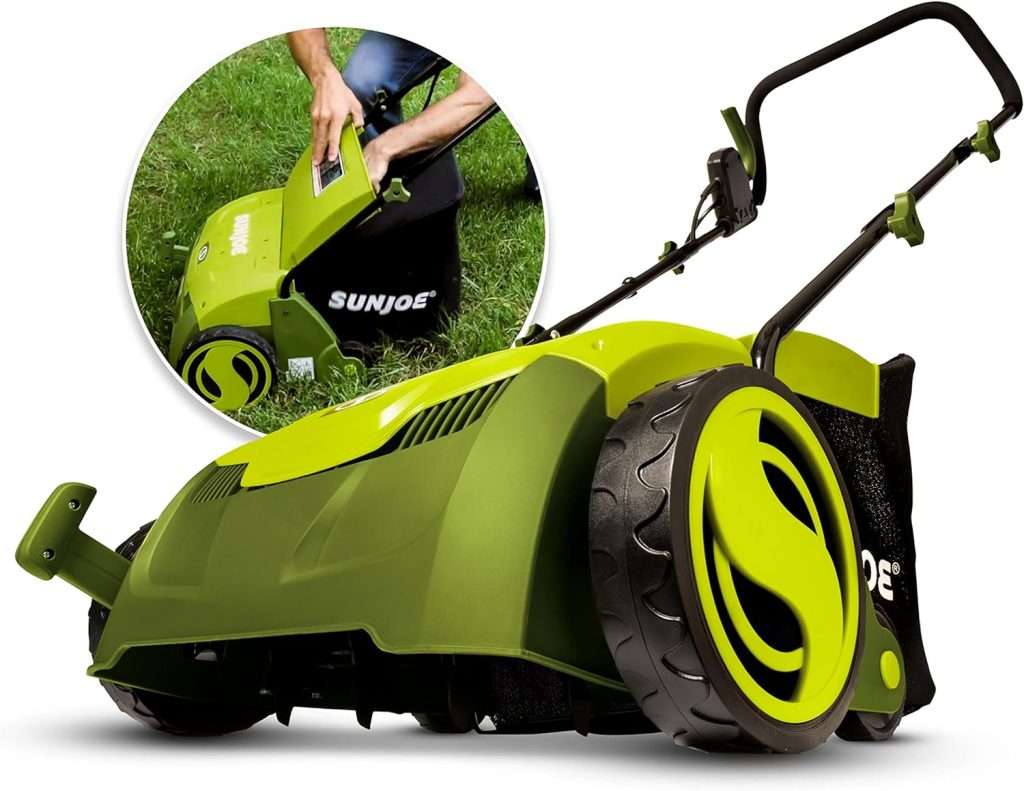
Mowing is essential, too. Please wait until the grass has fully recovered before cutting it back. When you do mow, keep the blades high to allow for healthy growth. A related product worth comparing is Sun Joe AJ801E 12-Amp, Electric Dethatcher.
Aeration can also be beneficial post-dethatching. It improves soil compaction and promotes better air circulation around the roots.
Keep an eye on weeds, as they can exploit disturbed soil. Regularly check for invasive species and remove them promptly to maintain a lush green yard you'll love coming home to each day.
Benefits of Using a Dethatcher for Your Lawn
Using a lawn dethatcher offers numerous advantages for anyone looking to achieve a vibrant and healthy yard. First, it significantly enhances air circulation within the soil. By removing thatch buildup, grassroots can more effectively access essential nutrients.
Additionally, dethatching promotes more profound root growth. When your lawn has less competition from dead organic matter, the roots can spread further into the soil, leading to more robust and resilient grass. Another relevant product to review is PowerSmart Electric Cordless Lawn Mower 17″.
Water absorption is another critical benefit. A well-dethatched lawn allows rainwater and irrigation to penetrate deeper into the ground rather than running off or pooling on top of thick thatch layers. This means healthier grass and reduced water wastage.
Dethatching also encourages better seed germination if you choose to oversee it after treatment. With less debris, seeds have a higher chance of establishing themselves successfully in your rejuvenated lawn.
Regular use of a dethatcher helps prevent pest infestations and disease by creating an environment that supports robust plant health. Thatch can harbor harmful insects or fungus; eliminating it significantly reduces these risks.
Investing time in understanding how to use a lawn dethatcher properly will help you achieve a lush green yard that's not just beautiful but also thriving. For an external buying reference, view Lawn Dethatcher on Amazon and confirm the current listing details before purchase.
Frequently Asked Questions
What should I check when comparing Lawn Dethatcher?
Compare the products shown above, then open the individual listings to confirm exact specifications, compatibility details, dimensions, materials, and included components.
How do I choose between products in this collection?
Start with the lawn-care task you need to complete, then compare the product type, size, fit, materials, and other details supplied on each individual product page.
Where can I confirm complete product information?
Open the individual product page from the grid above and review the complete listing information before choosing a product.
Revive Your Lawn: The Ultimate Guide to Using a Dethatcher for a Lush Green Yard
Is your lawn looking more like a patchy field than a lush oasis? If so, you might be dealing with thatch buildup. Thatch is a layer of dead grass, leaves, and other organic material that accumulates on top of the soil. While some thatch is standard and can benefit your lawn, too much can prevent water Lawn Dethatcher, air, and nutrients from reaching the roots of your grass. This can result in a lackluster lawn that is more susceptible to disease and pests. But don’t worry, there’s an easy solution – using a dethatcher! In this ultimate guide, we’ll walk you through everything you need about dethatching your lawn for a healthy and vibrant yard.
This layer of dead grass and organic matter can choke the life out of your yard, making it challenging for water, nutrients, and sunlight to penetrate. But don’t worry—reviving your lawn is easier than you think! With the right tools and techniques, including a trusty lawn dethatcher, your yard will look green and vibrant in no time. Let’s explore how to identify when it’s time for dethatching, maintain that newfound health after treatment, and discover all the benefits this essential step offers for an enviable landscape. Your dream lawn awaits!
Signs that Your Lawn Needs Dethatching
Are you unsure if your lawn needs a dethatcher? Look for key signs that indicate it’s time to take action.
First, check the thickness of the thatch layer. If you can easily pull back grass and see more than half an inch of dark organic matter, it’s time for dethatching.
Another sign is poor water absorption. If puddles form after watering or rainfall instead of soaking into the soil, excessive thatch may be blocking moisture from reaching the grassroots.
Additionally, watch for sparse growth in certain areas. Grass struggling to thrive could mean suffocating under a thick mat of debris.
If your lawn feels spongy when walked on, that’s another red flag. This sensation indicates too much buildup, restricting air circulation and nutrient flow—critical ingredients for a healthy lawn.
Tips for Maintaining a Healthy Lawn After Dethatching
After dethatching, your lawn needs special attention to thrive. Start by watering the grass adequately. This helps the roots recover from any stress caused during dethatching.
Next, consider fertilizing your lawn. A balanced fertilizer will provide essential nutrients for regrowth and strengthen your grass against pests and diseases.
Mowing is essential, too. Please wait until the grass has fully recovered before cutting it back. When you do mow, keep the blades high to allow for healthy growth.
Aeration can also be beneficial post-dethatching. It improves soil compaction and promotes better air circulation around the roots.
Keep an eye on weeds, as they can exploit disturbed soil. Regularly check for invasive species and remove them promptly to maintain a lush green yard you’ll love coming home to each day.
Benefits of Using a Dethatcher for Your Lawn
Using a lawn dethatcher offers numerous advantages for anyone looking to achieve a vibrant and healthy yard. First, it significantly enhances air circulation within the soil. By removing thatch buildup, grassroots can more effectively access essential nutrients.
Additionally, dethatching promotes more profound root growth. When your lawn has less competition from dead organic matter, the roots can spread further into the soil, leading to more robust and resilient grass.
Water absorption is another critical benefit. A well-dethatched lawn allows rainwater and irrigation to penetrate deeper into the ground rather than running off or pooling on top of thick thatch layers. This means healthier grass and reduced water wastage.
Dethatching also encourages better seed germination if you choose to oversee it after treatment. With less debris, seeds have a higher chance of establishing themselves successfully in your rejuvenated lawn.
Regular use of a dethatcher helps prevent pest infestations and disease by creating an environment that supports robust plant health. Thatch can harbor harmful insects or fungus; eliminating it significantly reduces these risks.
Investing time in understanding how to use a lawn dethatcher properly will help you achieve a lush green yard that’s not just beautiful but also thriving.
Detail Description
Revive Your Lawn: The Ultimate Guide to Using a Dethatcher for a Lush Green Yard
Is your lawn looking more like a patchy field than a lush oasis? If so, you might be dealing with thatch buildup. Thatch is a layer of dead grass, leaves, and other organic material that accumulates on top of the soil. While some thatch is standard and can benefit your lawn, too much can prevent water Lawn Dethatcher, air, and nutrients from reaching the roots of your grass. This can result in a lackluster lawn that is more susceptible to disease and pests. But don’t worry, there’s an easy solution – using a dethatcher! In this ultimate guide, we’ll walk you through everything you need about dethatching your lawn for a healthy and vibrant yard.
This layer of dead grass and organic matter can choke the life out of your yard, making it challenging for water, nutrients, and sunlight to penetrate. But don’t worry—reviving your lawn is easier than you think! With the right tools and techniques, including a trusty lawn dethatcher, your yard will look green and vibrant in no time. Let’s explore how to identify when it’s time for dethatching, maintain that newfound health after treatment, and discover all the benefits this essential step offers for an enviable landscape. Your dream lawn awaits!
Signs that Your Lawn Needs Dethatching
Are you unsure if your lawn needs a dethatcher? Look for key signs that indicate it’s time to take action.
First, check the thickness of the thatch layer. If you can easily pull back grass and see more than half an inch of dark organic matter, it’s time for dethatching.
Another sign is poor water absorption. If puddles form after watering or rainfall instead of soaking into the soil, excessive thatch may be blocking moisture from reaching the grassroots.
Additionally, watch for sparse growth in certain areas. Grass struggling to thrive could mean suffocating under a thick mat of debris.
If your lawn feels spongy when walked on, that’s another red flag. This sensation indicates too much buildup, restricting air circulation and nutrient flow—critical ingredients for a healthy lawn.
Tips for Maintaining a Healthy Lawn After Dethatching
After dethatching, your lawn needs special attention to thrive. Start by watering the grass adequately. This helps the roots recover from any stress caused during dethatching.
Next, consider fertilizing your lawn. A balanced fertilizer will provide essential nutrients for regrowth and strengthen your grass against pests and diseases.
Mowing is essential, too. Please wait until the grass has fully recovered before cutting it back. When you do mow, keep the blades high to allow for healthy growth.
Aeration can also be beneficial post-dethatching. It improves soil compaction and promotes better air circulation around the roots.
Keep an eye on weeds, as they can exploit disturbed soil. Regularly check for invasive species and remove them promptly to maintain a lush green yard you’ll love coming home to each day.
Benefits of Using a Dethatcher for Your Lawn
Using a lawn dethatcher offers numerous advantages for anyone looking to achieve a vibrant and healthy yard. First, it significantly enhances air circulation within the soil. By removing thatch buildup, grassroots can more effectively access essential nutrients.
Additionally, dethatching promotes more profound root growth. When your lawn has less competition from dead organic matter, the roots can spread further into the soil, leading to more robust and resilient grass.
Water absorption is another critical benefit. A well-dethatched lawn allows rainwater and irrigation to penetrate deeper into the ground rather than running off or pooling on top of thick thatch layers. This means healthier grass and reduced water wastage.
Dethatching also encourages better seed germination if you choose to oversee it after treatment. With less debris, seeds have a higher chance of establishing themselves successfully in your rejuvenated lawn.
Regular use of a dethatcher helps prevent pest infestations and disease by creating an environment that supports robust plant health. Thatch can harbor harmful insects or fungus; eliminating it significantly reduces these risks.
Investing time in understanding how to use a lawn dethatcher properly will help you achieve a lush green yard that’s not just beautiful but also thriving.