
PRODUCT TAG COLLECTION
Outdoor Mower Cover
Browse Outdoor Mower Cover products and compare options in the same easy-to-shop layout used across our mower collections.
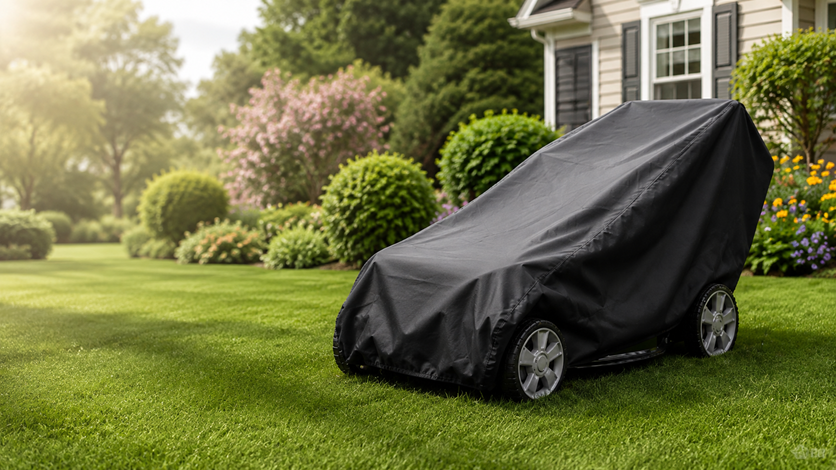
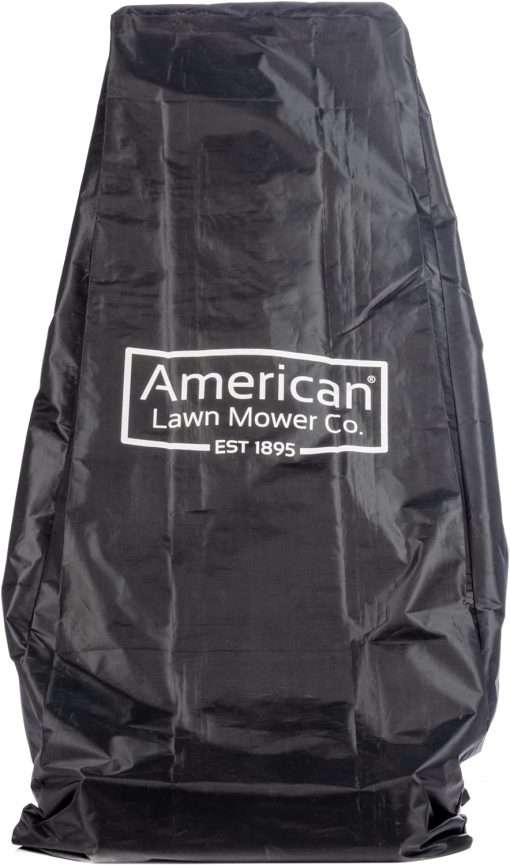

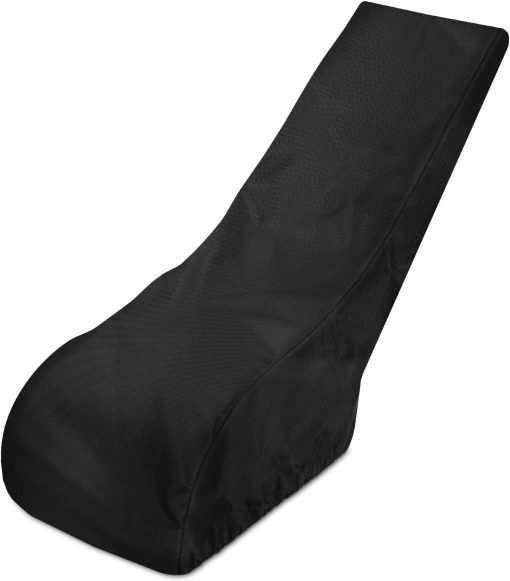

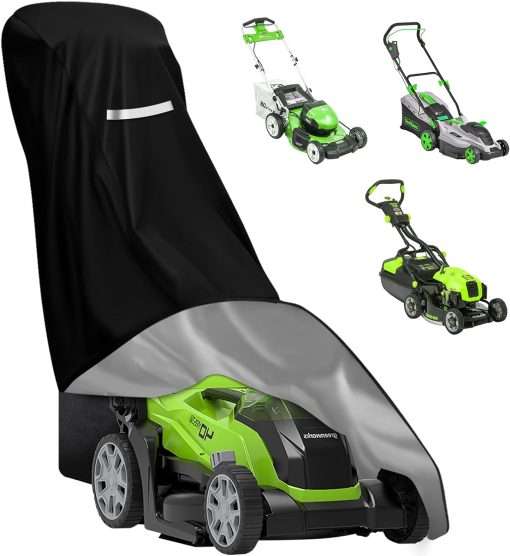






Protect Your Investment: The Ultimate Guide to Choosing the Right Outdoor Mower Cover
By choosing the right outdoor mower cover, you can ensure that your mower stays in top condition and is ready to tackle any yard work for years. This ultimate guide will discuss everything you need to know about choosing the right cover for your outdoor mower, from materials and features to size and fit. Don’t let harsh weather or wear and tear ruin your investment – follow our advice and protect your mower with the perfect cover.
Whether battling unpredictable weather or shielding it from critters, having the right outdoor mower cover can make all the difference. But with so many options on the market, how do you choose one that genuinely meets your needs? This guide will steer you through essential factors to consider and highlight the top features to look for when selecting a mower cover. Plus, we’ll share tips on maintaining it so your mower stays in prime condition year-round. Let’s dive in and discover how to safeguard your equipment effectively!
Factors to Consider When Choosing a Mower Cover
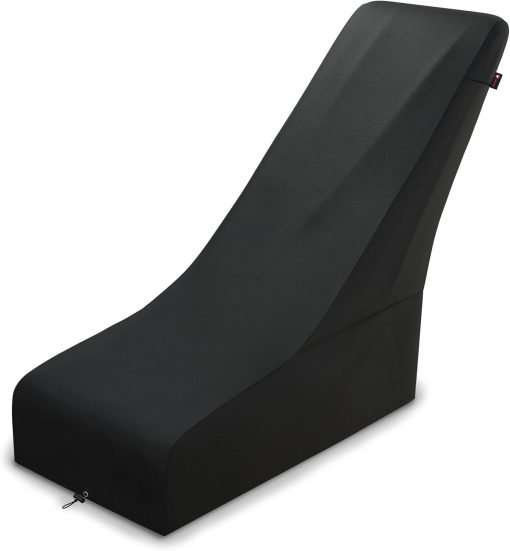
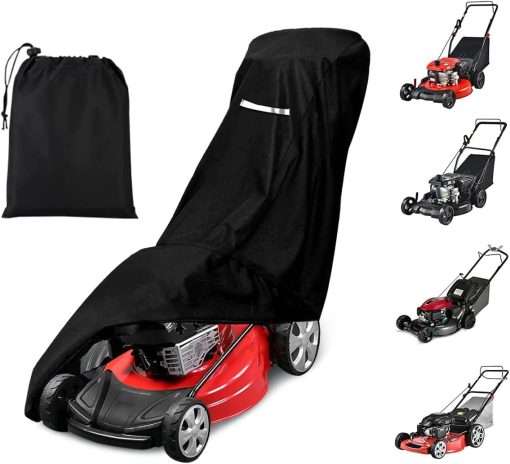
When selecting an outdoor mower cover, size is critical. Ensure the cover fits your specific mower model snugly to prevent moisture or debris from seeping in. A loose fit can lead to wind flapping and potential damage.
Material quality matters, too. Look for durable fabrics that resist tearing, fading, and mold. Polyester and nylon are excellent choices due to their water-resistant properties.
Consider the climate where you live. A waterproof cover is essential for areas with heavy rain or snow. In contrast, if you’re in a sunny region, UV protection will extend the life of both your mower and its cover.
Think about ease of use. Features like adjustable straps or zippers can make putting on and taking off the cover quick and straightforward—saving you time when it’s time to mow!
Top Features to Look for in a Mower Cover
Durability is critical when selecting an outdoor mower cover. Look for materials that can withstand various weather conditions, including UV rays, rain, and snow. A heavy-duty fabric will ensure your cover lasts season after season.
Water resistance is another critical feature. Opt for a cover designed to repel water while allowing moisture to escape, preventing mold and mildew buildup.
Consider the fit as well. A snug cover prevents wind from lifting it off your mower, but it should be easy to put on and take off.
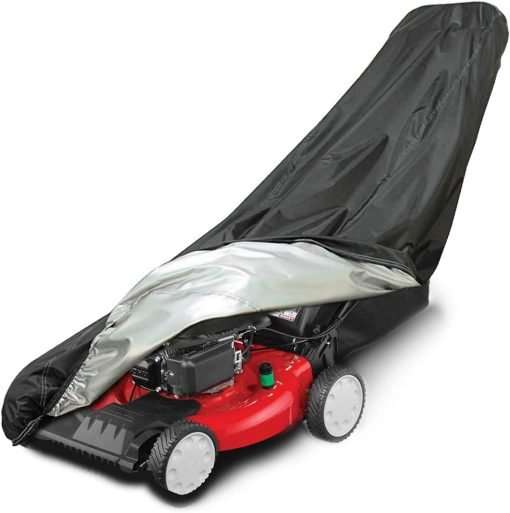
Ventilation features are also important. Covers with vents help maintain airflow around the mower, reducing heat buildup during hot months.
Look for added elements like reinforced seams or adjustable straps that enhance stability and longevity. These small details can make a significant difference in protecting your investment over time.
How to Properly Use and Maintain a Mower Cover
Proper use and maintenance of your outdoor mower cover can significantly extend its lifespan. First, ensure that the mower is clean before covering it. Remove any grass clippings or debris to prevent mold growth underneath the cover.
When placing the cover over your mower, ensure it fits snugly without being too tight. A loose fit may allow moisture and dirt to enter, while a tight fit could cause wear and tear. Secure the cover with straps or ties if provided, keeping it in place during windy conditions.
Regular inspections are crucial to maintaining your mower cover’s condition. Check for signs of wear, like tears or fading fabric. If you notice damage, repair it promptly to avoid further deterioration.
It’s also important to store your mower in a dry area when not in use, as excessive moisture can harm both the machine and the cover. Periodically wash the outer surface of your cover according to manufacturer instructions—this helps remove dirt buildup that could degrade its materials.
These steps ensure that your outdoor mower and its protective covering remain in top shape for years. Investing time into proper usage and maintenance safeguards your equipment and enhances efficiency whenever you’re ready for lawn care tasks ahead.
Protect Your Investment: The Ultimate Guide to Choosing the Right Outdoor Mower Cover
By choosing the right outdoor mower cover, you can ensure that your mower stays in top condition and is ready to tackle any yard work for years. This ultimate guide will discuss everything you need to know about choosing the right cover for your outdoor mower, from materials and features to size and fit. Don’t let harsh weather or wear and tear ruin your investment – follow our advice and protect your mower with the perfect cover.
Whether battling unpredictable weather or shielding it from critters, having the right outdoor mower cover can make all the difference. But with so many options on the market, how do you choose one that genuinely meets your needs? This guide will steer you through essential factors to consider and highlight the top features to look for when selecting a mower cover. Plus, we’ll share tips on maintaining it so your mower stays in prime condition year-round. Let’s dive in and discover how to safeguard your equipment effectively!
Factors to Consider When Choosing a Mower Cover
When selecting an outdoor mower cover, size is critical. Ensure the cover fits your specific mower model snugly to prevent moisture or debris from seeping in. A loose fit can lead to wind flapping and potential damage.
Material quality matters, too. Look for durable fabrics that resist tearing, fading, and mold. Polyester and nylon are excellent choices due to their water-resistant properties.
Consider the climate where you live. A waterproof cover is essential for areas with heavy rain or snow. In contrast, if you’re in a sunny region, UV protection will extend the life of both your mower and its cover.
Think about ease of use. Features like adjustable straps or zippers can make putting on and taking off the cover quick and straightforward—saving you time when it’s time to mow!
Top Features to Look for in a Mower Cover
Durability is critical when selecting an outdoor mower cover. Look for materials that can withstand various weather conditions, including UV rays, rain, and snow. A heavy-duty fabric will ensure your cover lasts season after season.
Water resistance is another critical feature. Opt for a cover designed to repel water while allowing moisture to escape, preventing mold and mildew buildup.
Consider the fit as well. A snug cover prevents wind from lifting it off your mower, but it should be easy to put on and take off.
Ventilation features are also important. Covers with vents help maintain airflow around the mower, reducing heat buildup during hot months.
Look for added elements like reinforced seams or adjustable straps that enhance stability and longevity. These small details can make a significant difference in protecting your investment over time.
How to Properly Use and Maintain a Mower Cover
Proper use and maintenance of your outdoor mower cover can significantly extend its lifespan. First, ensure that the mower is clean before covering it. Remove any grass clippings or debris to prevent mold growth underneath the cover.
When placing the cover over your mower, ensure it fits snugly without being too tight. A loose fit may allow moisture and dirt to enter, while a tight fit could cause wear and tear. Secure the cover with straps or ties if provided, keeping it in place during windy conditions.
Regular inspections are crucial to maintaining your mower cover’s condition. Check for signs of wear, like tears or fading fabric. If you notice damage, repair it promptly to avoid further deterioration.
It’s also important to store your mower in a dry area when not in use, as excessive moisture can harm both the machine and the cover. Periodically wash the outer surface of your cover according to manufacturer instructions—this helps remove dirt buildup that could degrade its materials.
These steps ensure that your outdoor mower and its protective covering remain in top shape for years. Investing time into proper usage and maintenance safeguards your equipment and enhances efficiency whenever you’re ready for lawn care tasks ahead.
Detail Description
Protect Your Investment: The Ultimate Guide to Choosing the Right Outdoor Mower Cover
By choosing the right outdoor mower cover, you can ensure that your mower stays in top condition and is ready to tackle any yard work for years. This ultimate guide will discuss everything you need to know about choosing the right cover for your outdoor mower, from materials and features to size and fit. Don’t let harsh weather or wear and tear ruin your investment – follow our advice and protect your mower with the perfect cover.
Whether battling unpredictable weather or shielding it from critters, having the right outdoor mower cover can make all the difference. But with so many options on the market, how do you choose one that genuinely meets your needs? This guide will steer you through essential factors to consider and highlight the top features to look for when selecting a mower cover. Plus, we’ll share tips on maintaining it so your mower stays in prime condition year-round. Let’s dive in and discover how to safeguard your equipment effectively!
Factors to Consider When Choosing a Mower Cover
When selecting an outdoor mower cover, size is critical. Ensure the cover fits your specific mower model snugly to prevent moisture or debris from seeping in. A loose fit can lead to wind flapping and potential damage.
Material quality matters, too. Look for durable fabrics that resist tearing, fading, and mold. Polyester and nylon are excellent choices due to their water-resistant properties.
Consider the climate where you live. A waterproof cover is essential for areas with heavy rain or snow. In contrast, if you’re in a sunny region, UV protection will extend the life of both your mower and its cover.
Think about ease of use. Features like adjustable straps or zippers can make putting on and taking off the cover quick and straightforward—saving you time when it’s time to mow!
Top Features to Look for in a Mower Cover
Durability is critical when selecting an outdoor mower cover. Look for materials that can withstand various weather conditions, including UV rays, rain, and snow. A heavy-duty fabric will ensure your cover lasts season after season.
Water resistance is another critical feature. Opt for a cover designed to repel water while allowing moisture to escape, preventing mold and mildew buildup.
Consider the fit as well. A snug cover prevents wind from lifting it off your mower, but it should be easy to put on and take off.
Ventilation features are also important. Covers with vents help maintain airflow around the mower, reducing heat buildup during hot months.
Look for added elements like reinforced seams or adjustable straps that enhance stability and longevity. These small details can make a significant difference in protecting your investment over time.
How to Properly Use and Maintain a Mower Cover
Proper use and maintenance of your outdoor mower cover can significantly extend its lifespan. First, ensure that the mower is clean before covering it. Remove any grass clippings or debris to prevent mold growth underneath the cover.
When placing the cover over your mower, ensure it fits snugly without being too tight. A loose fit may allow moisture and dirt to enter, while a tight fit could cause wear and tear. Secure the cover with straps or ties if provided, keeping it in place during windy conditions.
Regular inspections are crucial to maintaining your mower cover’s condition. Check for signs of wear, like tears or fading fabric. If you notice damage, repair it promptly to avoid further deterioration.
It’s also important to store your mower in a dry area when not in use, as excessive moisture can harm both the machine and the cover. Periodically wash the outer surface of your cover according to manufacturer instructions—this helps remove dirt buildup that could degrade its materials.
These steps ensure that your outdoor mower and its protective covering remain in top shape for years. Investing time into proper usage and maintenance safeguards your equipment and enhances efficiency whenever you’re ready for lawn care tasks ahead.