
Lawn Mower Power Sources: Gas, Corded, Cordless and Reel
For buyers deciding which mower power system fits their lawn and ownership routine, lawn mower power sources: gas, corded, cordless and reel is most useful when it turns a broad topic into a few checks that can be measured, observed or confirmed.
A power-source choice is strongest when it removes a practical constraint from weekly mowing rather than creating a new one.
Power Source Changes the Ownership Experience
The power system affects more than how a mower starts. It changes refueling or charging, cable management, maintenance, storage and how work is interrupted.
A sensible comparison begins with yard layout and workload, then narrows to the system whose limitations are easiest to live with.
Gas Mowers
Gas models can suit shoppers who value refueling speed and do not want a power cord or charging cycle to define the mowing session. For the next detailed comparison, see the lawn mower engine cc guide.
Engine upkeep, fuel handling, noise and storage practices belong in the buying decision, not as afterthoughts.
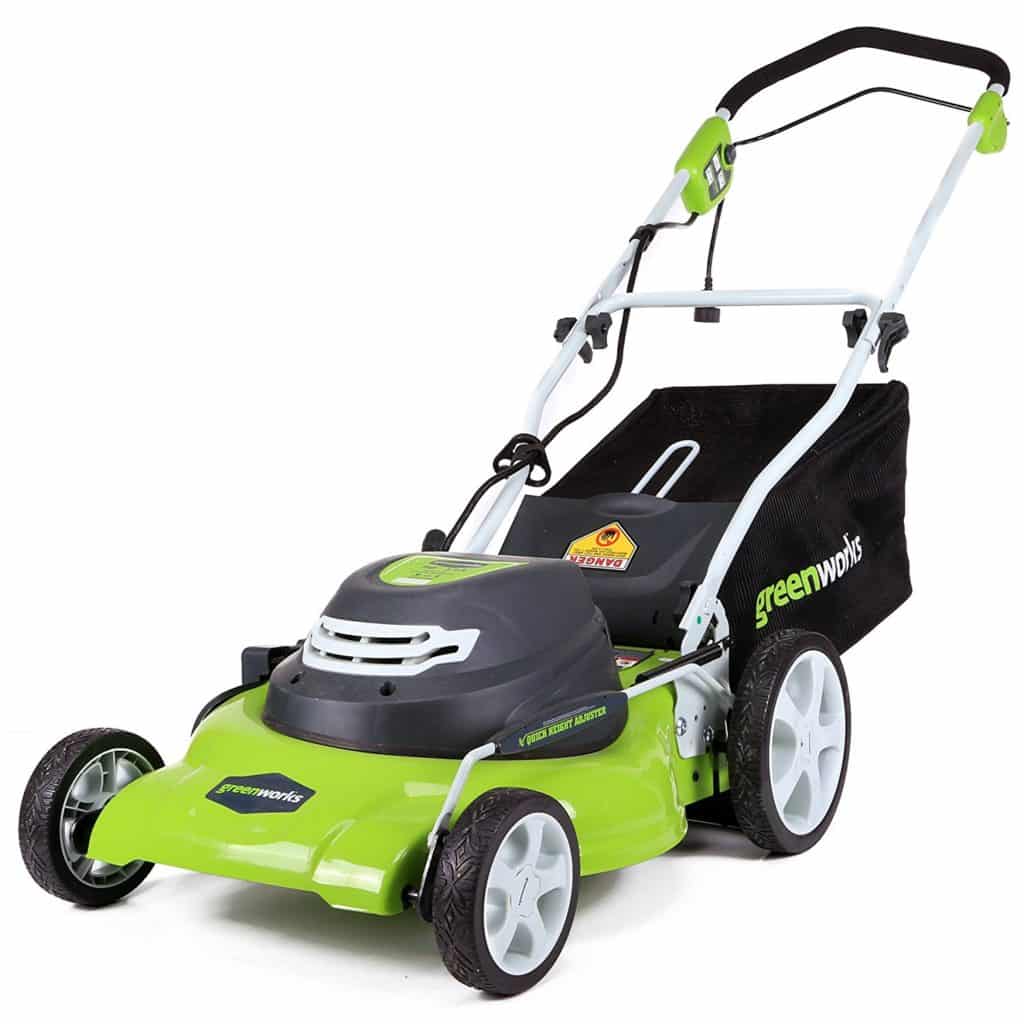
One way to test the lawn mower power sources checklist is to read the listing for Greenworks 20-Inch 12 Amp Corded Lawn Mower 25022. Its listing is useful for comparison only where a detail is explicitly stated; anything absent remains unverified. Buy Now on Amazon.
Corded Electric
Corded mowers trade fuel and battery planning for a continuous connection to an outdoor power source. For a closely related detail, use the corded mower extension cord. A related practical check is covered in the lawn mower engines and motors guide.
Outlet position, cord routing and the mower manufacturer's extension-cord requirements can matter as much as cutting width. For the next detailed comparison, see the reel vs rotary mower guide.
Cordless Battery
Cordless mowers remove the trailing power cord, but battery platform, included packs and charging workflow become part of the product. Another useful cross-check is the cordless mower battery systems.
Voltage and amp-hours describe different things, so buyers should read both instead of treating a single battery number as a complete performance rating.
For a catalog-level lawn mower power sources example, look at Greenworks 20-Inch 40V Twin Force Cordless Lawn Mower, 4.0 AH & 2.0 AH Batteries Included 25302. Treat the exact title and product record as the evidence; do not fill in features that the listing does not state.
Manual Reel
A reel mower uses human effort rather than an onboard engine or electric motor.
That can be attractive on suitable lawns, while grass height, debris, terrain and mowing frequency can make a reel mower more demanding than expected.
Decision Matrix
Compare the systems using the same questions: how large is the mowable area, where is power available, how often will the lawn be cut, how much maintenance is acceptable, and what must be stored between uses.
If two systems both fit the lawn, ownership preferences should break the tie rather than a generic best-mower label.
A useful way to compare power sources is to picture the interruption that each system creates. A gas mower may pause for fuel and engine upkeep; a corded mower pauses when cable routing becomes awkward; a cordless mower pauses for charging or battery swaps; a reel mower pauses when grass conditions demand more effort. The least disruptive system for one yard can be the wrong choice for another. A related practical check is covered in the lawn mower specifications.
Package contents deserve special attention with cordless equipment. A mower sold without a battery or charger can look inexpensive beside a complete kit, even though the first-use cost is not comparable. Read the exact listing before treating two prices as equivalent.
As a real-world lawn mower power sources reference, consider PowerSmart DB2194S 21" 3-in-1 161cc Gas Self Propelled Lawn Mower. Use only the specifications that the product record confirms, and leave any missing detail unassumed.
For the lawn mower power sources decision, compare the criteria above with American Lawn Mower 1204-14 14-Inch 4-Blade Push Reel Lawn Mower. Use only the specifications that the product record confirms, and leave any missing detail unassumed.