
Lawn Mower Safety Guide for Homeowners
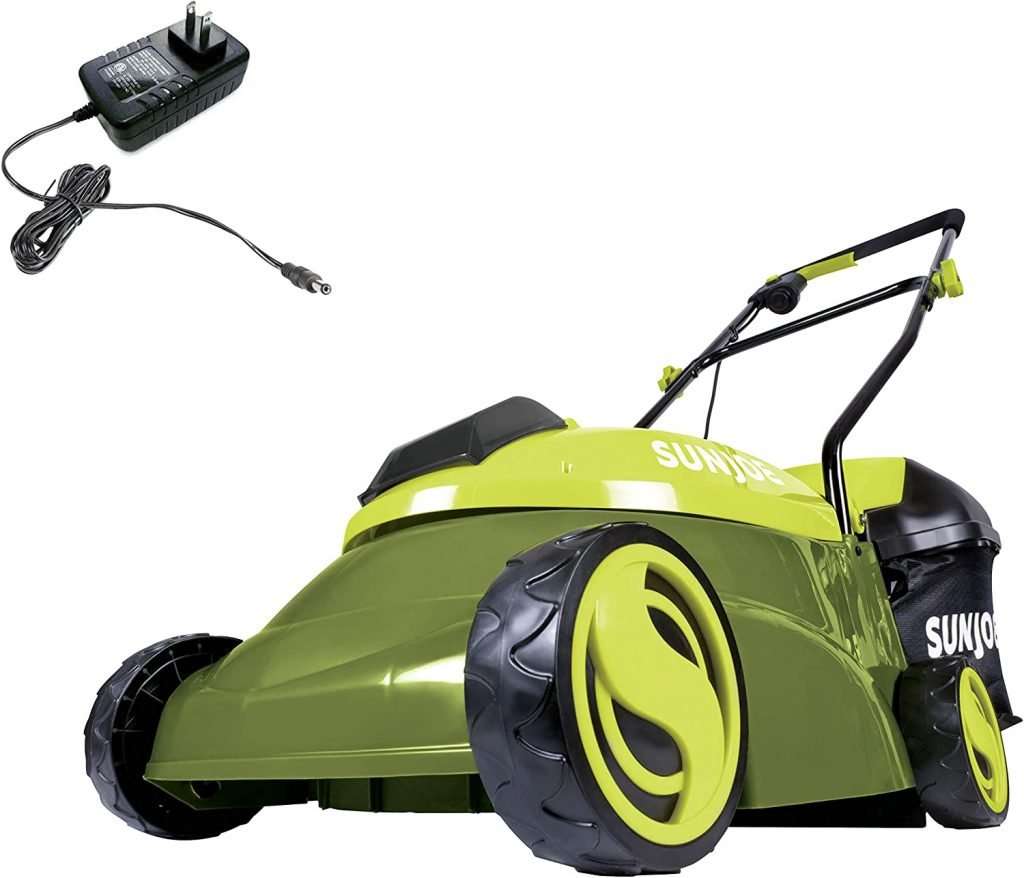
Lawn Mower Safety Guide for Homeowners addresses the decisions that matter to homeowners establishing safe mowing habits once marketing labels are stripped away and the mower is judged against real use, fit and upkeep.
Safety guidance is most useful when it gives a clear reason to stop before a manageable lawn-care task becomes an equipment or injury problem.
Before Starting
Walk the mowing area and remove objects that could be struck by the blade. Related product example: PowerSmart DB2194S 21″ 3-in-1 161cc Gas Self Propelled Lawn Mower — Buy Now on Amazon.
Check guards, handles, controls and the power system for obvious damage before starting.
Slope Safety
Slopes can change traction, footing and mower stability.
Follow the exact slope and direction guidance in the owner's manual; self-propulsion and large wheels do not cancel those limits.
Wet or Obstructed Lawns
Wet grass can be slippery and may clog clipping systems. Hidden debris and roots can create impact hazards.
Delay mowing when conditions make footing, visibility or cutting unsafe.
Blade and Deck Safety
Disconnect the applicable power source before reaching near the blade or deck.
A blade can move unexpectedly if the mower is not properly isolated, and sharp edges remain a cut hazard even when the machine is off.
Battery, Cord and Fuel Safety
Use undamaged outdoor-rated electrical equipment where required, keep battery packs within manufacturer guidance, and handle fuel away from ignition sources. For a closely related detail, use the new lawn mower setup guide.
Never bypass interlocks or improvise a charger, cable or fuel-system repair to finish a mowing session.
When Not to Mow
Do not mow when a guard is missing, a blade is damaged, the mower is leaking fuel, electrical insulation is damaged, or the terrain exceeds manufacturer limits. For a closely related detail, use the lawn mower vibration guide.
Stopping is part of safe operation, not a failure to complete the job.
Many mowing incidents begin before the engine or motor starts. Hidden stones, toys, branches and holes can turn a normal pass into a projectile or control problem. A quick walk-through of the lawn is therefore a real operating step, not housekeeping. For a closely related detail, use the lawn mower troubleshooting guide.
Safety features do not expand the mower’s approved limits. Self-propulsion, large wheels and electronic controls can improve convenience, but they do not make unsafe slopes, damaged guards or wet footing acceptable.