
Lawn Mower Troubleshooting Guide
Direct Answer: Lawn Mower Troubleshooting Guide
Lawn Mower Troubleshooting Guide gives a direct starting point for this topic: Use lawn mower troubleshooting as a practical comparison point for the mower, the job, and the space you manage. Lawn Mower Troubleshooting Guide addresses the decisions that matter to owners diagnosing a symptom before deciding on service once marketing labels are stripped away and the mower is judged against real use, fit and upkeep.
What Does Mower Will Not Start Clarify For Lawn Mower Troubleshooting Guide?
Within Lawn Mower Troubleshooting Guide, the section "Mower Will Not Start" explains that First identify the power system because a gas engine, corded mower and battery mower fail to start for different reasons.
How Does Poor Cutting Affect A Decision Using Lawn Mower Troubleshooting Guide?
When using Lawn Mower Troubleshooting Guide, "Poor Cutting" narrows the answer because Uneven results can come from cutting height, grass conditions, deck buildup, blade condition or wheel/deck adjustment.
What Must Stay Model-Specific When Using Lawn Mower Troubleshooting Guide?
Lawn Mower Troubleshooting Guide remains page-level guidance, so any exact limit, compatibility detail, included component or performance claim must still be confirmed against the specific mower record or manufacturer documentation.
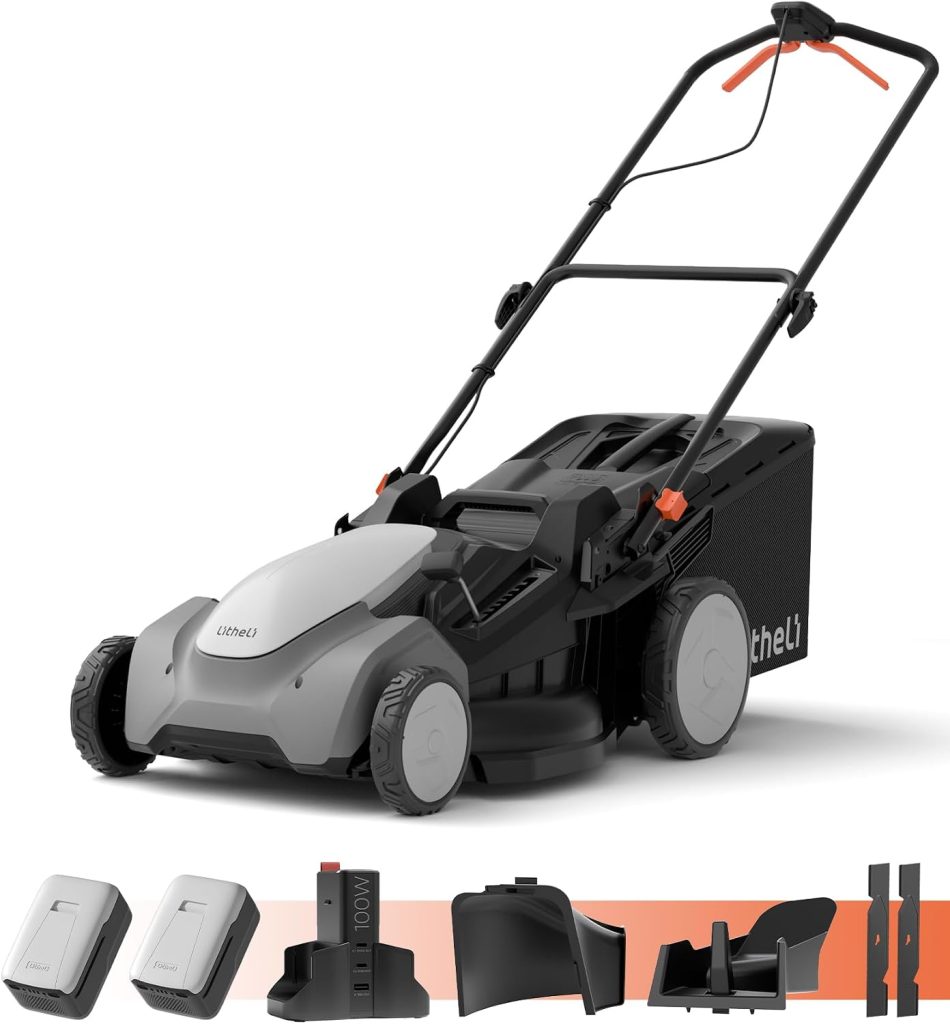
Use lawn mower troubleshooting as a practical comparison point for the mower, the job, and the space you manage. Lawn Mower Troubleshooting Guide addresses the decisions that matter to owners diagnosing a symptom before deciding on service once marketing labels are stripped away and the mower is judged against real use, fit and upkeep.
Troubleshooting should narrow a symptom safely; it should never encourage operating a mower that is showing a serious fault.
Mower Will Not Start
First identify the power system because a gas engine, corded mower and battery mower fail to start for different reasons. For a closely related detail, use the mower battery not charging. Related product example: PowerSmart DB2194S 21″ 3-in-1 161cc Gas Self Propelled Lawn Mower — Buy Now on Amazon.
Check simple external conditions such as power availability, installed battery, controls and obvious damage before moving toward service. For a closely related detail, use the cordless mower battery systems.
Poor Cutting
Uneven results can come from cutting height, grass conditions, deck buildup, blade condition or wheel/deck adjustment. For the next detailed comparison, see the uneven cut and clumping guide.
Correct the observable cause instead of repeatedly lowering the deck in an attempt to hide a cutting problem. For the next detailed comparison, see the lawn mower cutting systems.
Excessive Vibration
Unexpected vibration is a stop-and-inspect symptom. Another useful cross-check is the lawn mower safety.
A damaged blade, debris or loose component can create imbalance; continuing to run the mower can worsen damage or create a safety hazard.
Drive Problems
If a self-propelled mower stops driving, verify control engagement and look for obvious wheel obstruction first. For the next detailed comparison, see the self propelled drive not working.
Cable, belt, transmission or electrical drive faults may require model-specific service information. For a closely related detail, use the lawn mower drive systems.
Battery or Charging Problems
Separate the battery, charger and outlet as possible causes.
Temperature protection, a damaged pack or an incompatible charger can produce very different symptoms, so avoid bypassing safety electronics.
Stop-and-Service Conditions
Stop DIY checks when the mower has damaged safety guards, leaking fuel, electrical damage, severe vibration or a fault that requires disassembly beyond the manual. For a closely related detail, use the lawn mower vibration.
A safe troubleshooting process includes knowing when diagnosis should hand off to qualified service.
Troubleshooting should move from the outside of the machine inward. Confirm the power source, controls, visible obstruction and obvious damage before considering internal components. This order reduces unnecessary disassembly and keeps safety systems intact. For the next detailed comparison, see the lawn mower engines and motors guide.
The same symptom can have different causes across mower types. A machine that will not start may have a fuel problem, a battery-temperature issue, an extension-cord problem or a control-interlock condition. Identifying the power system first prevents the diagnosis from drifting into irrelevant checks.
Lawn Mower Troubleshooting
First, use Lawn Mower Troubleshooting as a practical comparison point. Next, match the mower to the work you expect. However, avoid one-number shortcuts. Therefore, compare the important details together. Then, confirm the exact model before you decide.
Lawn Mower Troubleshooting Compatibility Checks
For example, check size, fit, and operating limits. In addition, review the mower for everyday use. Meanwhile, compare yard conditions, grass height, and mowing frequency. As a result, weak options become easier to remove. Afterward, keep only choices that fit the job.
Lawn Mower Troubleshooting Practical Buying Checks
Moreover, inspect the supporting parts before you order. Then, check battery, fuel, cord, blade, or wheel needs as relevant. Because models differ, compare the exact product details. At the same time, note the maintenance work each option needs. Finally, confirm that replacement parts remain easy to source.
First, measure your storage space. Next, check path and gate width. Then, compare mower weight and handle reach. After that, review charging or fuel access. Finally, check cleaning and blade-care needs.
In practice, use these checks together. However, avoid choosing from one headline feature. Instead, compare fit, control, upkeep, and ownership needs. Therefore, keep the final choice practical. Overall, this approach supports a clearer mower decision.
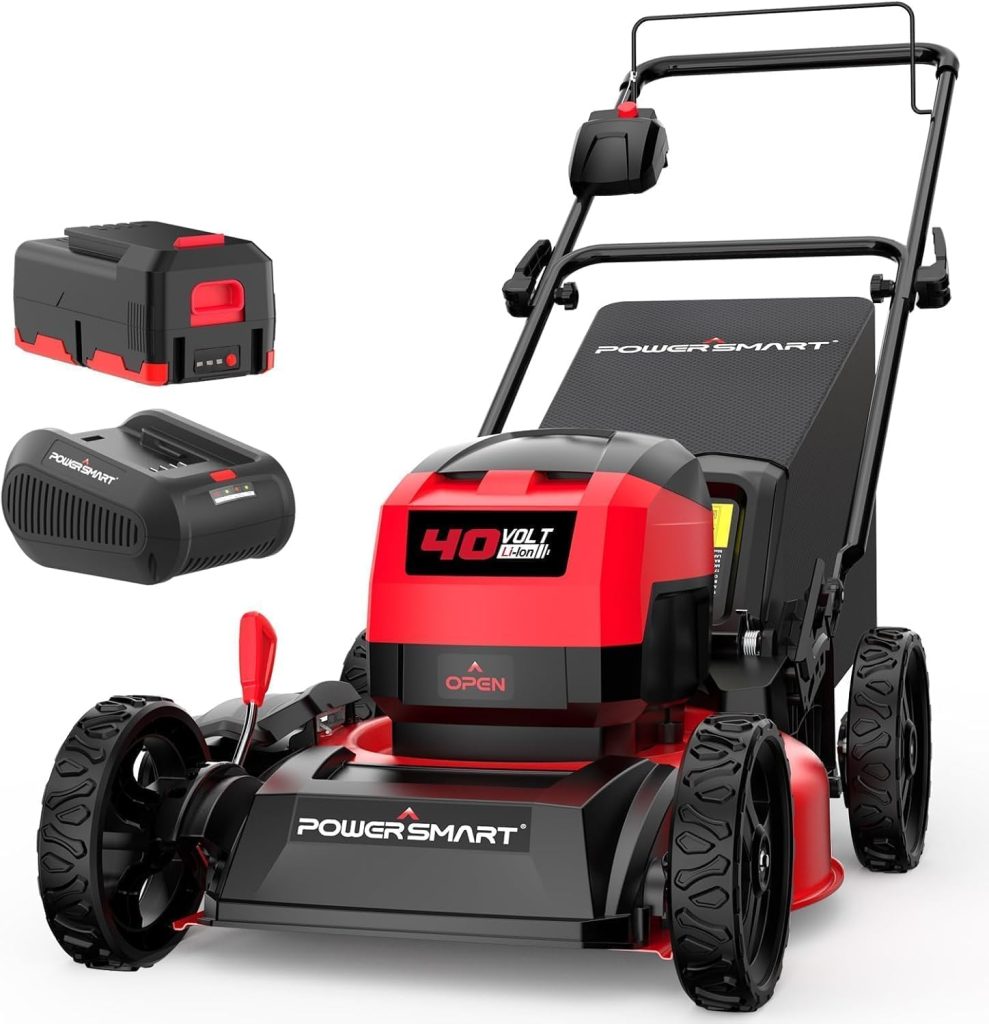
Related product: View Related Lawn Mower Troubleshooting Product on Amazon.