
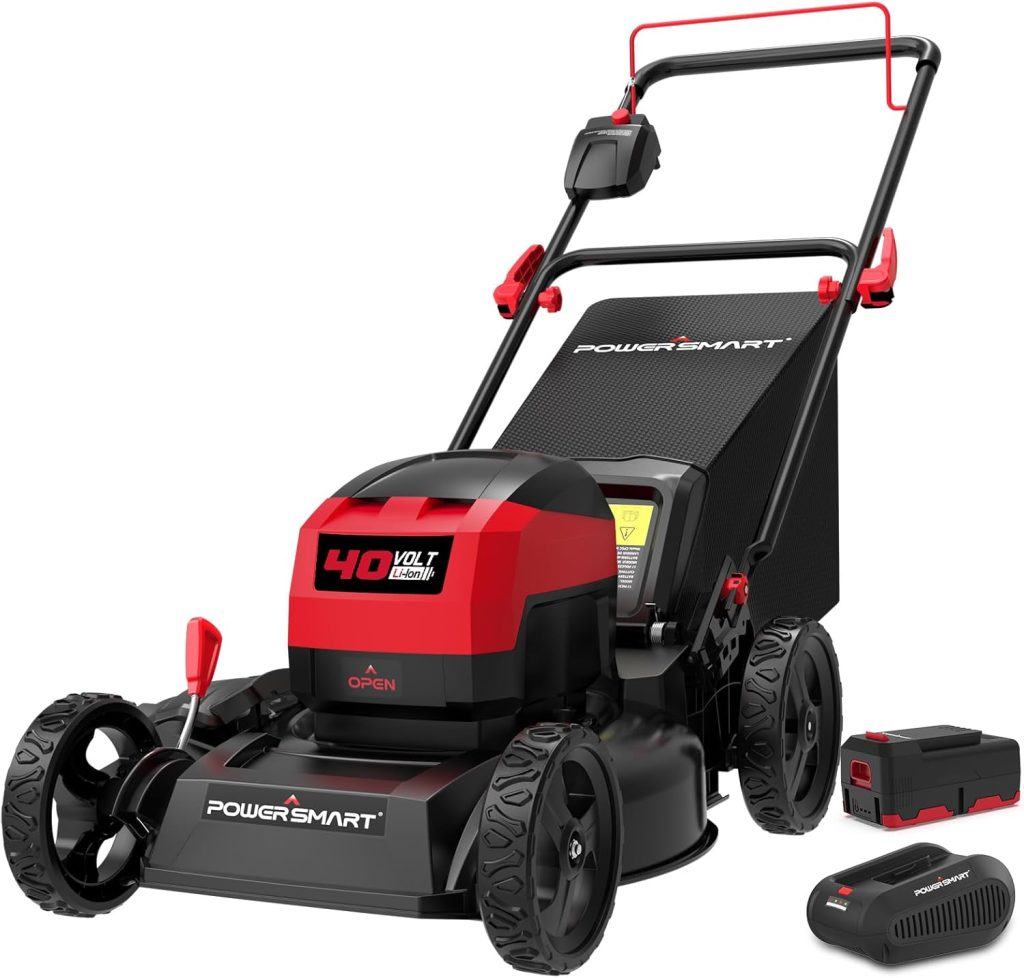
Lawn Mower Weight Guide: Handling, Transport and Storage focuses on the practical question behind lawn mower weight guide. It is written for buyers concerned about handling effort who need to separate what can be verified from what still depends on the exact mower or manual.
A mower weight specification becomes practical when you connect it to every place the machine must be pushed, turned, lifted or stored.
Why Weight Matters
Mower weight influences inertia, steering feel, transport and the effort needed when the machine is not driving itself. For the next detailed comparison, see the lawn mower sizing.
The same number can matter differently to an owner who stores on level ground and one who must lift the mower into a vehicle.
Push Effort
On a non-self-propelled mower, the operator provides forward force throughout the mow. For the next detailed comparison, see the lawn mower for yard type guide.
Terrain, wheel condition and grass resistance can make the perceived effort higher than a showroom roll on a hard floor. Another useful cross-check is the wheel size.
Self-Propelled Weight
Self-propulsion can reduce forward pushing effort while the drive is engaged.
It does not reduce the mower's actual mass when the machine is turned tightly, lifted, carried or pushed with the drive off.
Lifting and Storage
Check whether the mower must cross steps, thresholds or vehicle loading heights.
If lifting is unavoidable, use the manufacturer's approved lift points and seek help for a weight that cannot be handled safely.
Weight vs Features
Batteries, larger decks, drive systems and steel construction can add mass while also adding functions.
Compare weight against the value of those confirmed features instead of treating lightest as automatically best.
Think about weight in four phases: pushing, turning, lifting and storing. Self-propulsion can reduce effort in only one of those phases. A heavy self-propelled mower may still be awkward to load into a vehicle or rotate in a cramped shed. A related practical check is covered in the mower fit for narrow gates.
If a product listing supplies shipping weight rather than mower weight, do not substitute one for the other. Packaging, batteries and accessories can change the number.
