
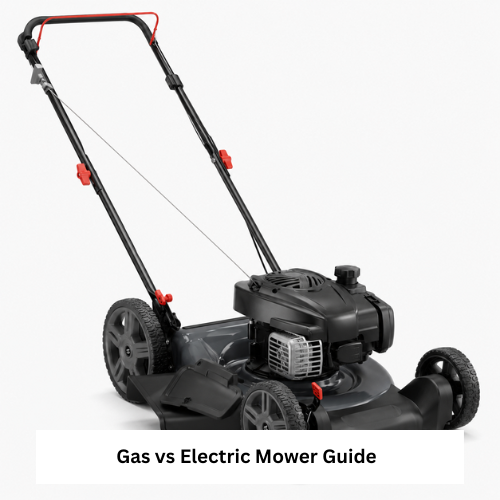
The gas vs electric mower choice depends on your yard size, grass thickness, noise preference, storage space, and maintenance comfort. Gas mowers may suit tougher mowing needs, while electric and cordless models may appeal to buyers who want quieter operation and simpler upkeep.
Both mower types can work for homeowners, gardeners, and lawn care beginners. The best choice is the mower that fits your yard conditions, power source, handling comfort, and long-term maintenance expectations.
Gas vs Electric Mower: Key Differences
When comparing gas vs electric mower options, look beyond price. Think about starting method, power source, noise, storage, weight, maintenance, replacement parts, and how often you mow.
If a product page does not clearly confirm battery, charger, engine details, cutting width, warranty, or included accessories, verify before buying.
Gas Push Mower Buying Tips
A gas push mower may be useful for thicker grass, larger lawns, or buyers who do not want to depend on battery charging. It can offer strong cutting power, but it also needs fuel, oil checks, and regular maintenance.
Before buying, check starting method, fuel storage needs, engine care, handle comfort, wheel size, and grass bag setup. Gas mowers should be stored safely and used only outdoors.
Electric Push Mower Buying Tips
An electric push mower may be a good fit for small to medium yards, especially when buyers want quieter mowing and lower maintenance. Corded models need safe cord management, while cordless models need battery planning.
Check whether the mower is corded or cordless before buying. Also verify cutting width, battery and charger details, replacement battery availability, and whether the mower fits your yard size.
| Feature | Gas Mower | Electric or Cordless Mower | What Buyers Should Check |
| Power source | Fuel and oil | Cord or battery | Fuel storage, cord reach, battery details |
| Noise | Usually louder | Often quieter | Local rules and comfort |
| Maintenance | More engine care | Less routine engine care | Manual, parts, cleaning needs |
| Storage | Needs fuel-safe storage | Needs dry battery or cord storage | Garage, shed, charger space |
| Yard fit | Thicker grass or larger spaces | Small to medium lawns | Cutting width and runtime needs |
| Beginner ease | More maintenance steps | Often simpler start process | Setup and safety instructions |
Cordless and Battery Mower Checks
A cordless lawn mower can be convenient when you do not want a cord trailing across the yard. Battery planning is important because runtime can depend on grass height, yard size, and mowing conditions.
A battery mower should be checked for charger details, replacement battery availability, storage instructions, and whether the battery platform matches other yard tools you may own.
Safety and Setup Guidance
For gas mowers, store fuel safely and follow the manual for starting, stopping, refueling, and maintenance. Do not refuel a hot mower.
For electric mowers, keep cords away from the cutting path and use only suitable outdoor-rated power equipment when required. For cordless models, follow battery charging and storage instructions carefully.
Maintenance and Cleaning Advice
Gas mowers may require oil checks, spark plug care, air filter checks, and blade maintenance. Electric mowers still need cleaning, blade care, wheel checks, and safe storage.
Keep the underside clear of heavy grass buildup only when the mower is turned off and safe to handle. For any product-specific maintenance step, verify the manual before doing the work.
Common Buying Mistakes
Do not choose gas only because it sounds powerful. If your yard is small and flat, an electric option may be easier to manage.
Do not choose electric without checking cord reach or battery needs. If the yard is larger than the mower can handle comfortably, mowing may become frustrating.
You can compare an electric lawnmower example if you want to understand common electric mower styles before buying.
Troubleshooting Common Problems
If a gas mower is hard to start, check fuel, oil, air filter, spark plug, and manual instructions. Do not keep pulling or forcing the mower if something seems wrong.
If an electric mower loses power, check battery charge, cord connection, grass height, and whether the mower is overloaded. If the mower stops suddenly, turn it off and follow the safety instructions before inspecting it.
Practical Buying Checklist
- Compare gas, corded electric, and cordless options.
- Measure yard size and mowing distance.
- Check grass thickness and slope.
- Verify cutting width and height adjustment.
- Check fuel, cord, battery, or charger requirements.
- Review storage and safety needs.
- Check maintenance steps before buying.
- Confirm replacement blades, batteries, chargers, and parts.
- Review warranty, return policy, delivery, and support.
- Verify before buying if power, runtime, or included parts are unclear.
Conclusion
The gas vs electric mower decision should be based on your yard size, grass type, storage space, noise preference, and maintenance comfort. Choose gas for tougher mowing needs, choose electric or cordless for simpler upkeep, and verify all product details before buying.
FAQ
Is a gas mower better than an electric mower?
Gas may be better for thicker grass or larger yards. Electric may be better for smaller yards and easier maintenance.
Is an electric mower good for beginners?
Yes, many beginners like electric mowers because they can be easier to start and maintain. Verify yard fit before buying.
Do cordless mowers need replacement batteries?
Eventually, batteries may need replacement. Check battery availability and charger details before buying.
Which mower is quieter?
Electric and cordless mowers are often quieter than gas models, but product-specific noise details should be verified before buying.
What should I check before buying?
Check yard size, power source, cutting width, safety, storage, maintenance, warranty, return policy, and replacement parts.