
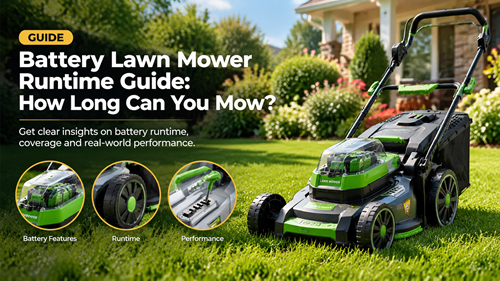
Battery lawn mower runtime is not a fixed number because the mower continuously changes power draw as grass density, cutting height, blade load, self-propel demand, and battery temperature change. The same pack can finish one lawn easily and fall short on another. Manufacturer runtime claims are useful only when the test conditions resemble your property. […]
Category Archives: Push Lawn Mowers
10
Oct
Oct
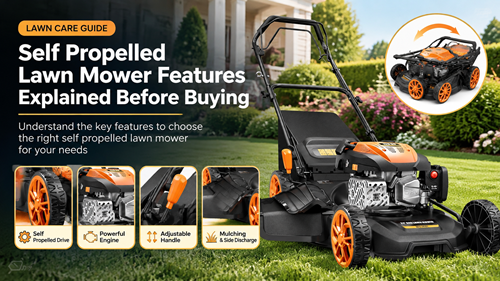
Self propelled lawn mower features matter because the drive system changes how the mower feels before it changes how the grass looks. The blade still creates the cut, but wheel drive can reduce pushing effort on slopes, long routes, and heavier machines. Drive type, speed control, wheel size, traction, handle controls, mower weight, and turning […]
07
Oct
Oct
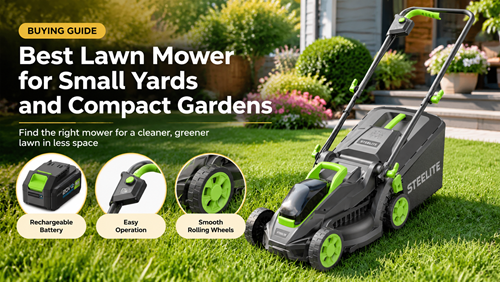
A lawn mower for small yard use should reduce effort in tight spaces rather than simply copy the specifications of a larger suburban machine. Compact gardens often include gates, raised beds, trees, paths, patio edges, and short turning zones where width, weight, and handle geometry matter more than maximum power. A smaller mower can also […]
05
Oct
Oct
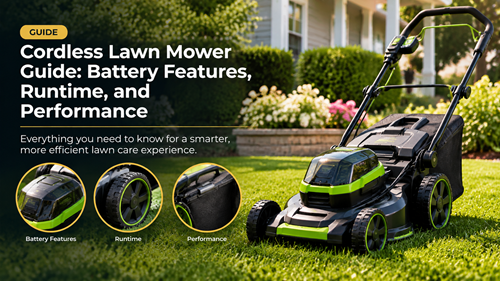
A cordless lawn mower guide should translate battery specifications into a mowing plan. Voltage, amp-hours, watt-hours, motor design, blade load, deck width, self-propel use, grass density, and temperature all affect how much yard can be cut before the battery needs to recharge. The most useful question is not “how many minutes does it run?” but […]
03
Oct
Oct
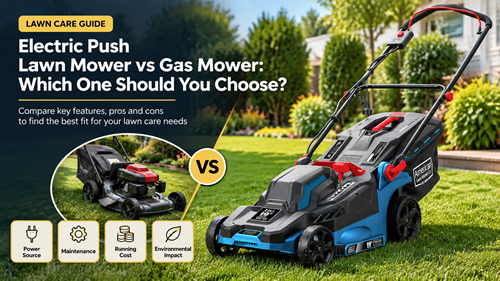
Electric push lawn mower vs gas mower is not a simple contest between modern and traditional power. The better platform depends on mowing time, grass load, charging access, storage, maintenance tolerance, noise expectations, and whether the property demands quick refueling or can work within battery or cord limits. Electric machines usually start with fewer routine […]
01
Oct
Oct
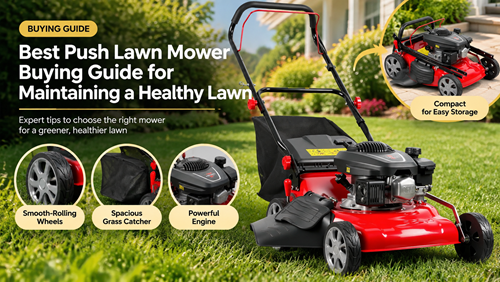
A push lawn mower buying guide is most useful when it starts with the lawn rather than the machine. Yard size, slope, gates, grass density, clipping preference, storage space, noise limits, and the person doing the mowing all influence whether a simple reel mower, gas push mower, corded electric model, or battery mower will feel […]

30
Sep
Sep
A WORX Nitro self-propelled lawn mower combines cordless power with drive assistance, making it appealing to homeowners already invested in a compatible battery platform. The practical fit depends on usable runtime, terrain, drive-control feel, deck performance, battery sharing, and whether the mower can finish the property without rushed charging decisions. Platform compatibility can reduce the […]
25
Sep
Sep
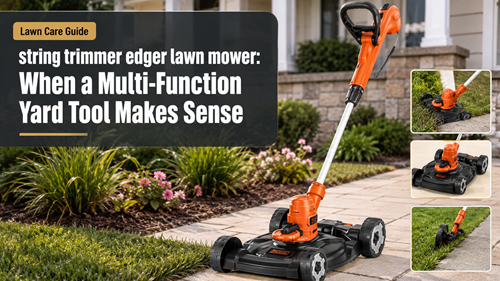
A string trimmer edger lawn mower is designed for small properties where storage space is limited and one power unit can switch between trimming, edging, and a mower-like cutting mode. The convenience is real, but each configuration has limits in cutting width, wheel stability, grass height, and finish quality. A convertible yard tool is not […]
Push Lawn Mowers
125cc 4-Cycle Briggs Gas Lawn Mower: Is The Engine Size Right For Routine Home Mowing?

23
Sep
Sep
A 125cc 4-cycle Briggs gas lawn mower represents a basic gas push-mower setup where engine displacement is intended for routine residential cutting rather than heavy commercial work. The right question is whether 125cc provides enough practical torque for your deck width, grass density, cutting height, and mowing pace. Engine size alone does not tell you […]
Push Lawn Mowers
CRAFTSMAN Electric Lawn Mower: What To Check Before Using It On A Small Residential Lawn

21
Sep
Sep
A CRAFTSMAN electric lawn mower can be a straightforward choice for a small residential lawn when the property is close to an outdoor power source and the owner is comfortable managing an extension cord. Corded power removes battery-runtime planning and gas-engine maintenance, but it replaces them with cord routing, electrical safety, and a defined mowing […]